Stocks Hit Records Due to Economic Stability, Not Just AI
Stock market valuations are rising as recessions become less frequent, suggesting a more stable economy is a key driver. DataTrek Research indicates this stability is a significant, though less discussed, factor in asset price growth.
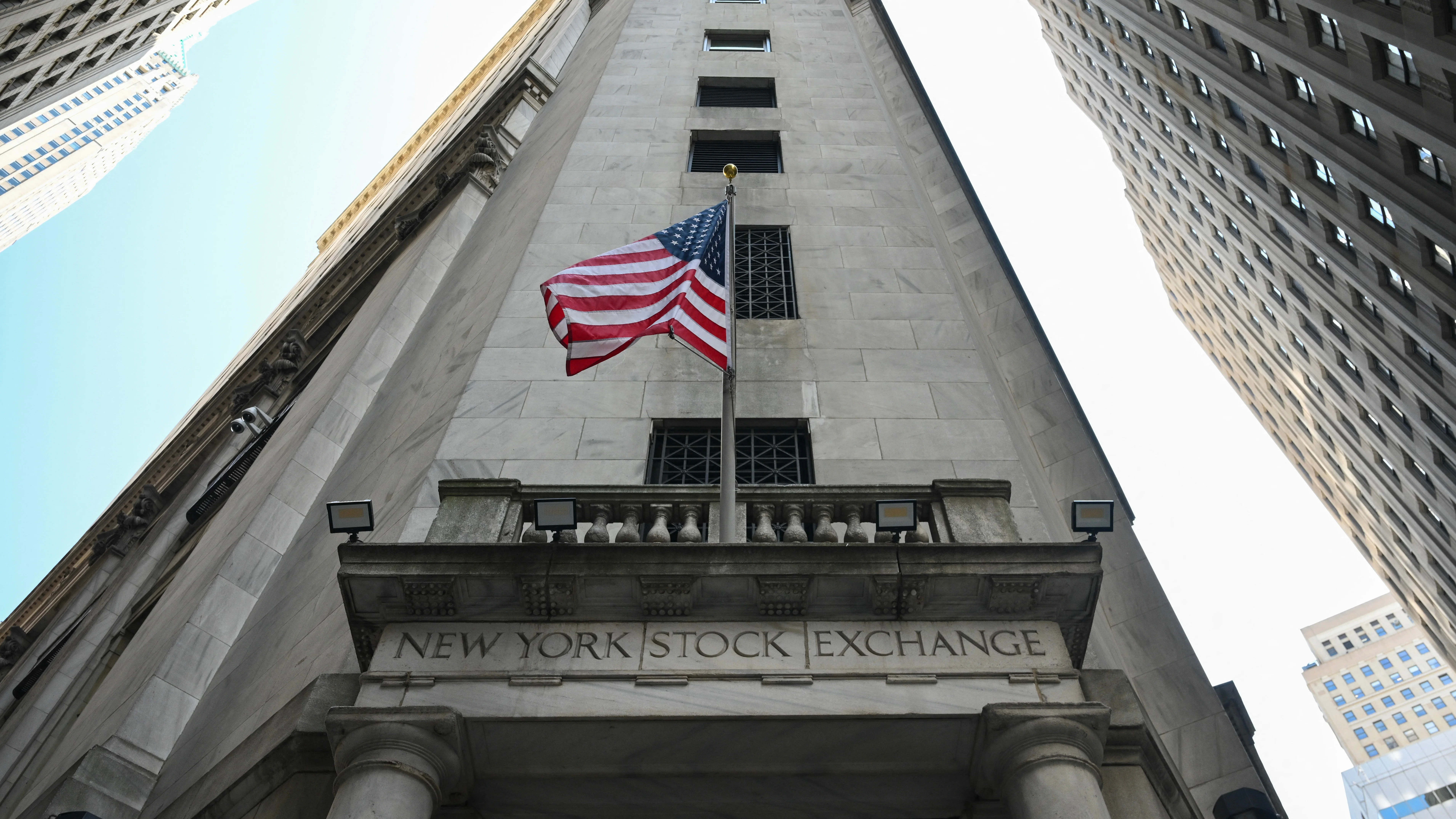
Persistent increases in stock market valuations are being influenced by factors beyond the widely discussed artificial intelligence boom, according to market analysts. A key, yet less publicized, driver is the decreasing frequency of economic recessions. This shift is creating a more favorable environment for asset prices.
"The belief in a nearly recession-proof economy, seemingly proven by historical experience, is a little-discussed driver of high price/earnings ratios just now," stated Nicholas Colas and Jessica Rabe, co-founders of DataTrek Research.
Historically, the 20th century saw recessions occurring approximately every five years, presenting a substantial risk to stock investments. In contrast, the period since the turn of the century has experienced significantly fewer downturns. This trend suggests a maturation of the economic cycle.
DataTrek Research highlights that the U.S. economy spent a fifth of the 1900s in recession. However, since 2000, there have been only three recessions over 105 quarters. This reduced cyclical volatility contributes to higher stock valuations as investors perceive lower risk.
The increased economic stability leads to a higher tolerance for risk among investors, enabling higher price-to-earnings ratios. This sustained environment allows companies to grow and investors to benefit from long-term capital appreciation without the constant threat of significant economic contraction.