Streaming Service Price and Model Changes in Germany
Streaming services in Germany are increasing prices and altering subscription models, leading to more critical consumer behavior. Many users are re-evaluating their subscriptions amid rising costs.
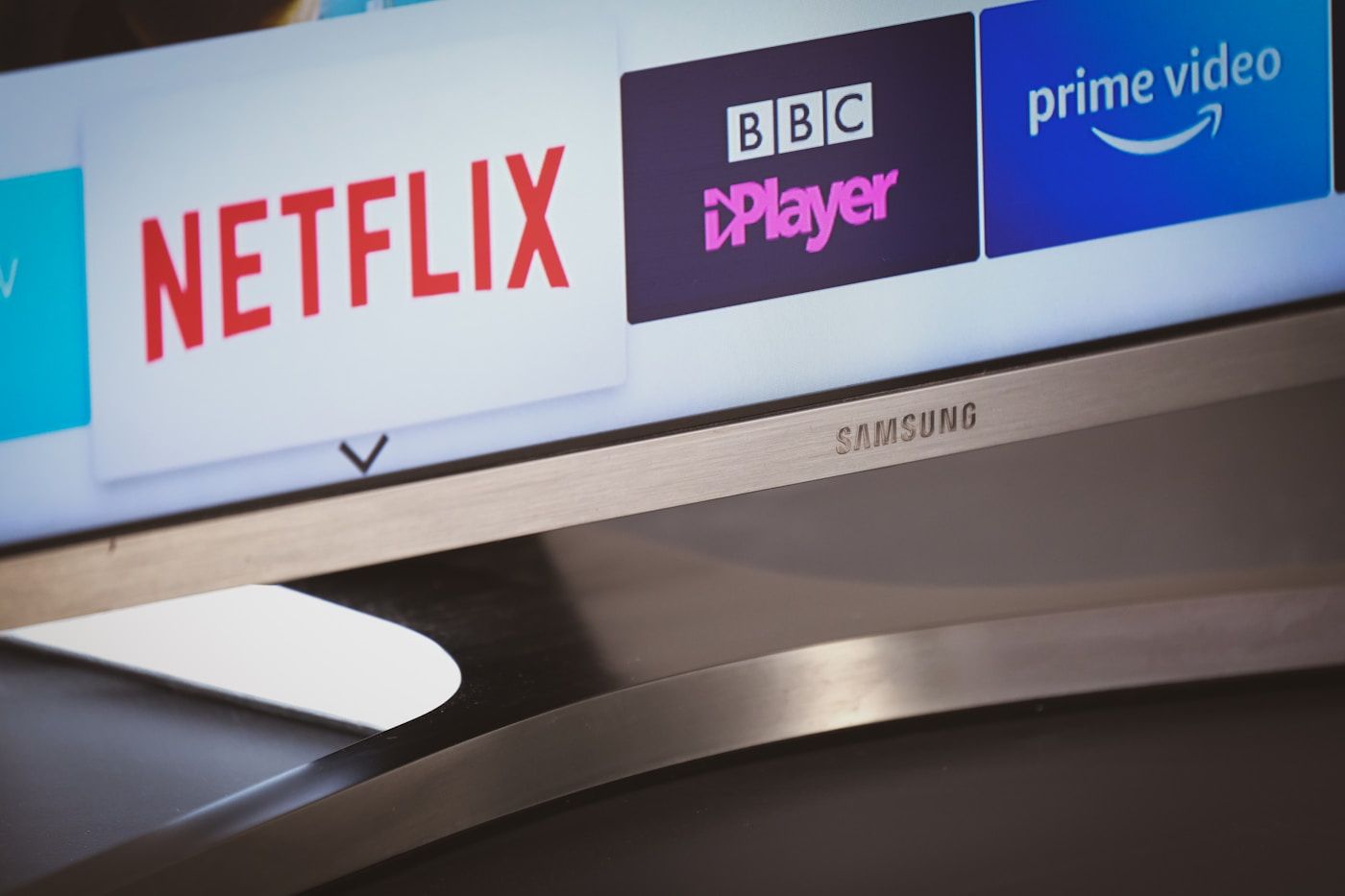
The landscape of digital streaming services in Germany is undergoing significant shifts, marked by price hikes and evolving subscription models that are prompting a more discerning approach from consumers.
Major platforms, including Spotify and Netflix, have implemented multiple price increases in recent years. Netflix has also introduced new, more affordable tiers that include advertisements. What was once seen as a cost-effective alternative to traditional media is increasingly becoming a substantial monthly expense, particularly for individuals subscribing to multiple services.
Subscription models themselves are also subject to change, with stricter regulations on family plans and limitations on account sharing. The introduction of cheaper, ad-supported options offers more choice but adds complexity. Consumers face a trade-off between convenience and cost, as advertising interrupts the user experience while premium subscriptions become more expensive.
This evolving market is fostering more conscious consumption habits. Streaming is no longer perceived as an unlimited 'all-you-can-eat' offering. Users are planning their media consumption more carefully, often binge-watching series or maximizing their use of music services to justify the costs. There is also a notable resurgence in the use of free streaming options and media libraries.
Furthermore, consumers are increasingly willing to temporarily cancel and later reactivate subscriptions, a behavior less common in previous years. RadioMonster.FM notes that these changes compel users to critically assess the value they receive for their money, especially during economically challenging times. This necessitates more planning but grants users greater control over their spending.