Study Links 122 Companies to Half of Western US Water Loss
A new study attributes approximately half of the water loss in the Western United States to just 122 oil and cement companies. Researchers found that reduced snowpack and streamflows due to climate change are significantly impacted by these corporations' emissions.
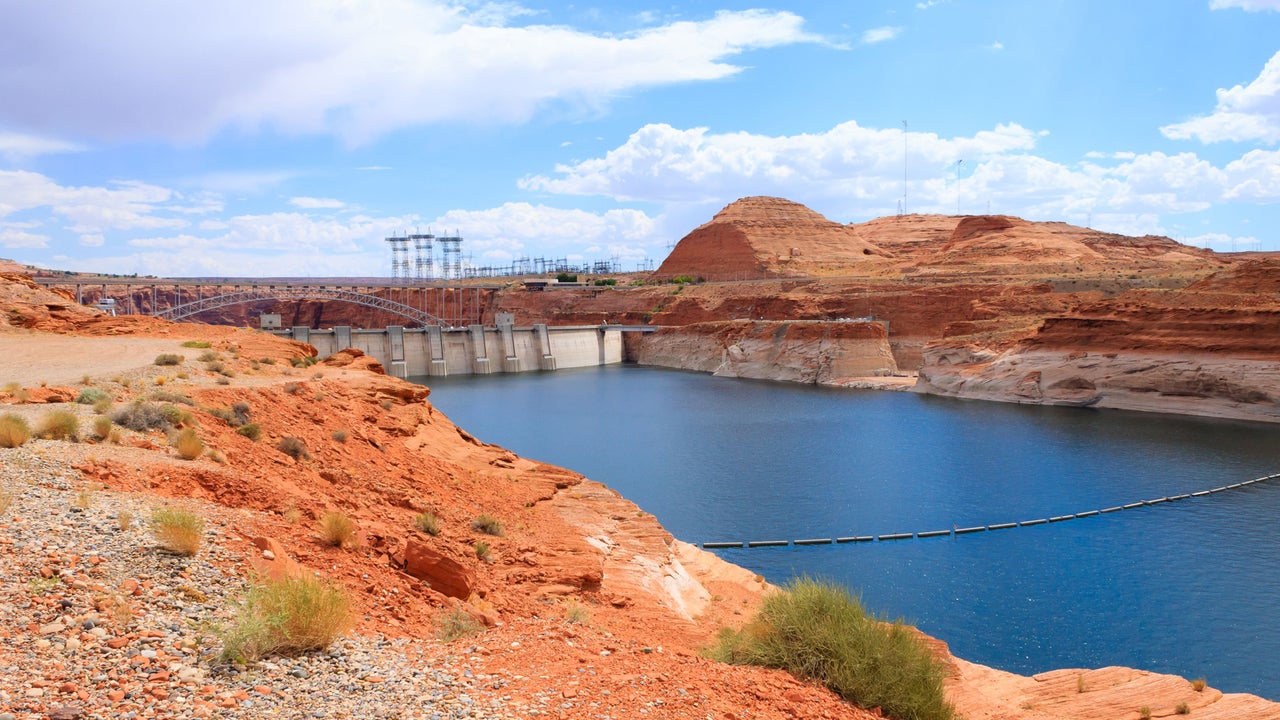
Just 122 major oil and cement companies are responsible for roughly half of the exacerbation of water scarcity in the Western United States, according to a recent study. Research published on August 25 by scientists from the University of California and the Union of Concerned Scientists links the operations of these corporations to record-low levels in the region's water reservoirs.
The study examined data from 2014 to 2024, finding that climate change has reduced snowpack and river streamflows. According to the report, half of these losses can be directly attributed to the 122 companies identified as having significantly impacted carbon emissions, including BP, Chevron, ExxonMobil, and Shell. These companies have been responsible for a substantial portion of industrial carbon dioxide emissions since 1985.
Researchers estimate that the volume of water lost over the past decade is equivalent to the maximum capacity of Lake Mead, the largest reservoir in the United States. Water scarcity is particularly critical in areas where a dry climate intersects with agriculture that demands high water consumption. Climate change is placing additional strain on the region's already unsustainable water systems.
The study highlights that while emissions have worsened the water crisis, the repercussions primarily affect local communities and ecosystems. Beyond water shortages, the region is experiencing drought, poor air quality, and land subsidence. Indigenous communities are particularly vulnerable, as their cultural and economic livelihoods depend on healthy rivers and water resources.