Study: New Technology Captures Microplastics in Human Digestive Tract
A first-in-human study demonstrates Qi601 technology's ability to physically capture microplastics within the human gastrointestinal tract.
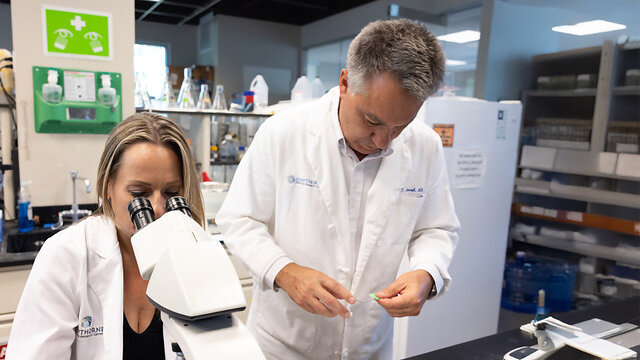
Sarasota, Florida – September 30, 2026 – Peer-reviewed research published today reports the first human proof-of-concept for a technology intentionally designed to physically capture microplastics.
The study evaluated Qi601, a proprietary, non-living postbiotic developed by Quorum Innovations. Micro- and nanoplastics are pervasive in the environment and have been detected within the human body, making them increasingly difficult to avoid through lifestyle changes alone.
In the human trial, researchers observed microplastic particles from chewing gum physically associating with Qi601 agglomerates in saliva. The concentration of microplastics was approximately 91% lower in samples containing both gum and Qi601 compared to gum alone. "For the first time, a published human proof-of-concept study shows a technology intentionally designed to capture microplastics physically associating with those particles in a human setting," stated Eva A. Berkes, MD, Chief Science Officer and lead author.
Further laboratory simulations of digestion showed Qi601 retained 92% of nanoplastics and prevented 98% from entering human colon cells. Nicholas T. Monsul, MD, CEO and co-author, explained that Qi601 aims to sequester these particles in the GI tract, reducing interaction with intestinal cells and facilitating elimination. The technology has received a GRAS (Generally Recognized As Safe) notice from the FDA.
Quorum Innovations, founded by physicians Eva Berkes and Nicholas Monsul, holds significant patent protection for its barrier-defense technologies. If these findings are validated in broader clinical settings, Qi601 could represent a significant development in mitigating the health impacts of microplastic exposure.