Study: Snails engineer slime properties using collagen and calcium
German scientists have determined how snails can produce different types of mucus with tailored properties. Collagen and calcium work together to control the slime's mechanical characteristics.
Scientists in Germany have uncovered the mechanism by which snails engineer their mucus. A new study published in the journal "Science" reveals that collagen and calcium work in tandem to alter the slime's mechanical properties, allowing for functional tunability.
Snail mucus, primarily water, derives its viscous texture from mucins (glycoproteins) and complex carbohydrates. Beyond cosmetics, the slime holds potential for drug delivery, with previous research highlighting its anti-inflammatory and wound-healing capabilities.
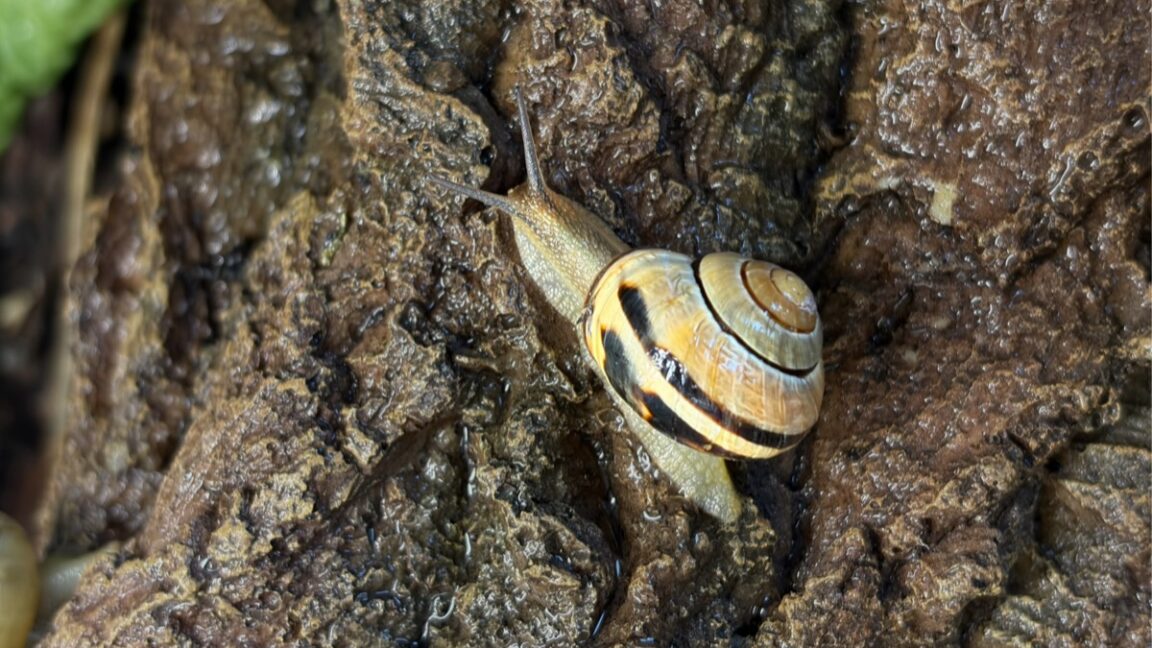
The research team focused on the grove snail, "Cepaea nemoralis," which secretes five distinct types of mucus. These include a lubricant for locomotion, an adhesive mucus for attachment, and the epiphragm, a protective layer secreted during hibernation containing calcite.
This understanding of how collagen and calcium interact to create varied slime consistencies could pave the way for new material science and biotechnological applications inspired by nature's designs.