Sufi Orders and Political Change in Ottoman Empire and Turkey, 1826-1950
A workshop at Ludwig-Maximilians-Universität München (LMU) examines Sufi organizations' responses to political and social shifts in the Ottoman Empire and the Republic of Turkey from 1826 to 1950.
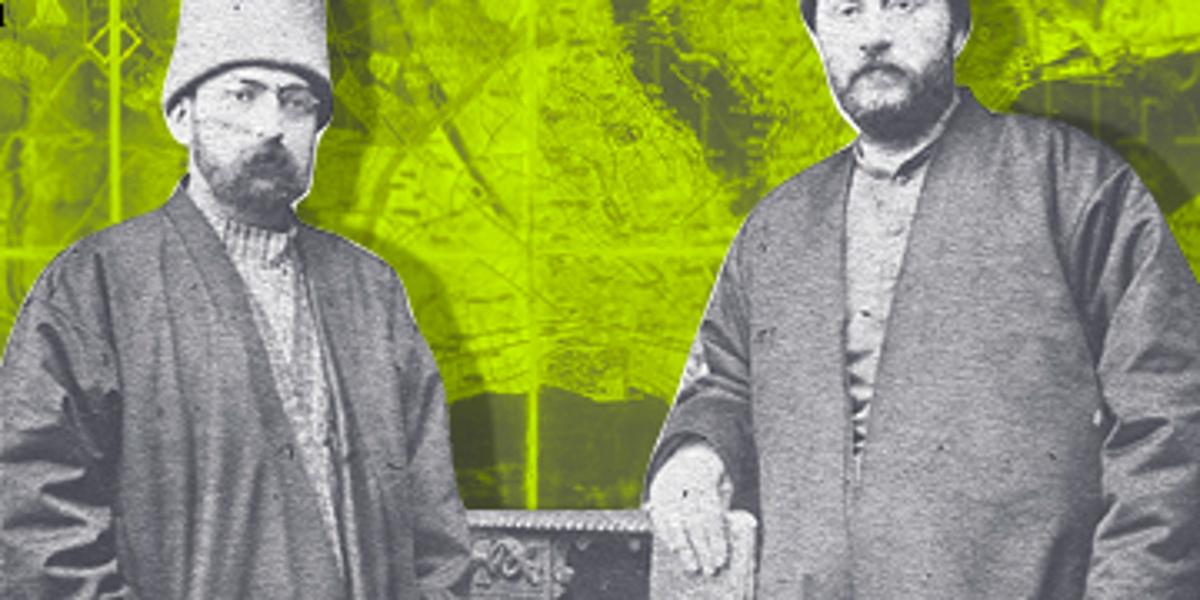
A two-day workshop in Munich focuses on how Sufi orders, particularly the Bektashi order, adapted to a changing social and political environment within the Ottoman Empire and the Republic of Turkey between 1826 and 1950.
The event, organized by Project B05 at Ludwig-Maximilians-Universität München (LMU), aims to understand how Sufi communities reacted to increased state surveillance, prohibitions on Sufi activities, and the systematic regulation of Islamic endowments (Evkaf). The workshop will also address the emergence of a modern public sphere and media landscape, as well as the reorganization of communication within Sufi circles.
Research will pay special attention to the Bektashi order, which faced prohibitions in both 1826 and again in 1925. Participants will explore how these orders survived bans and persecutions, not solely due to vigilance and state inefficiency, but also through intellectual, spiritual, and doctrinal reactions, and renewed forms of self-expression.
Attendees at the workshop will attempt to illuminate the Sufi perspective on changing realities by examining sources such as ego-documents, Sufi publications, and fictional works. This initiative builds upon LMU's prior research on Sufism, extending it to cover intellectual responses to modernity and inter-community cooperation.