Superworm larvae proposed for cleaning skeletal remains
Research suggests Zophobas morio larvae can effectively clean museum specimens, offering a safer alternative to dermestid beetles. The larvae are considered practical and pose less infestation risk.
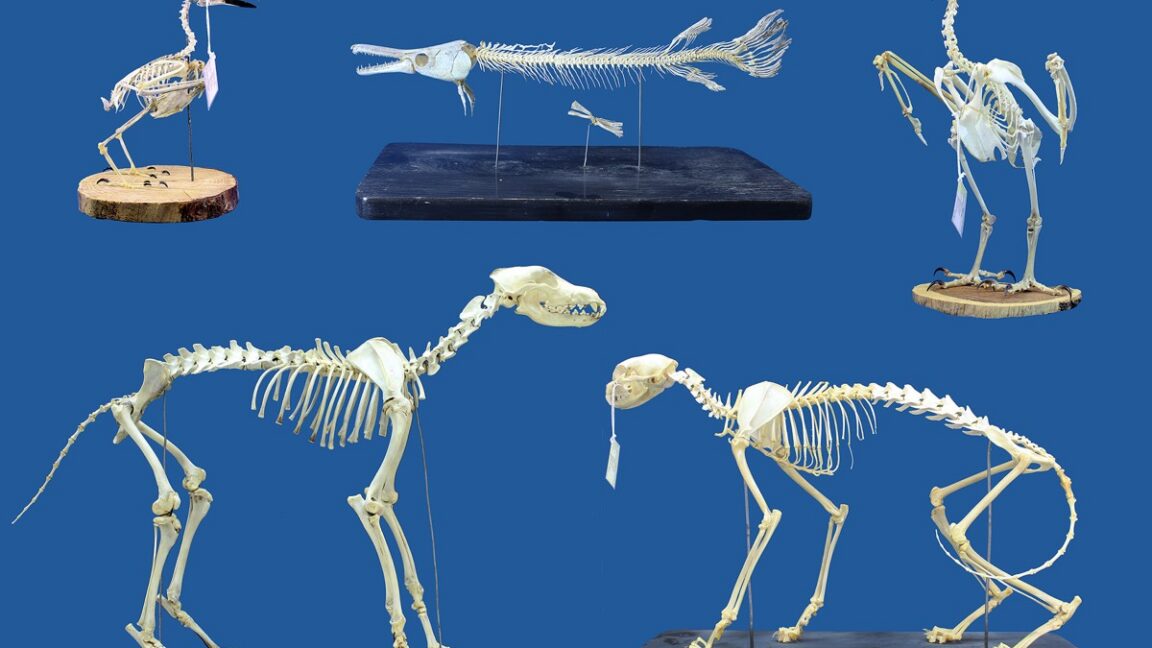
Researchers are exploring the potential of superworm larvae (Zophobas morio) as a safe and practical method for cleaning skeletal specimens in museum collections and for forensic studies. This approach aims to balance thorough tissue removal with the preservation of delicate bone structures.
Traditional methods for cleaning skeletal remains, including burial, enzymatic digestion, or chemical treatments, often come with drawbacks such as bone damage, lengthy processing times, high costs, or the use of hazardous substances. Dermestid beetles have become a preferred method due to their efficiency in removing soft tissue without harming the bone. However, containment challenges with beetles can lead to infestations that threaten valuable museum collections.
Fatemeh Rastekar of Ferdowsi University of Mashhad in Iran, along with her co-authors, investigated superworm larvae as an alternative. Their research indicates that larvae cleaning requires only the larval stage, which lasts 10–12 weeks, compared to the beetles' 5–7 weeks. Furthermore, the larvae do not pupate in crowded conditions, simplifying colony management and reducing the risk of escape.*
The study aims to determine if superworm larvae can match the cleaning efficiency of dermestid beetles while mitigating the risks associated with beetle infestations. This could offer museums a more manageable and safer option for specimen preparation.