T. rex teeth analysis suggests body temperature similar to elephants
Researchers have analyzed Tyrannosaurus rex teeth to estimate its body temperature, finding it was around 36 degrees Celsius, comparable to a modern elephant. This suggests T. rex was a warm-blooded animal.
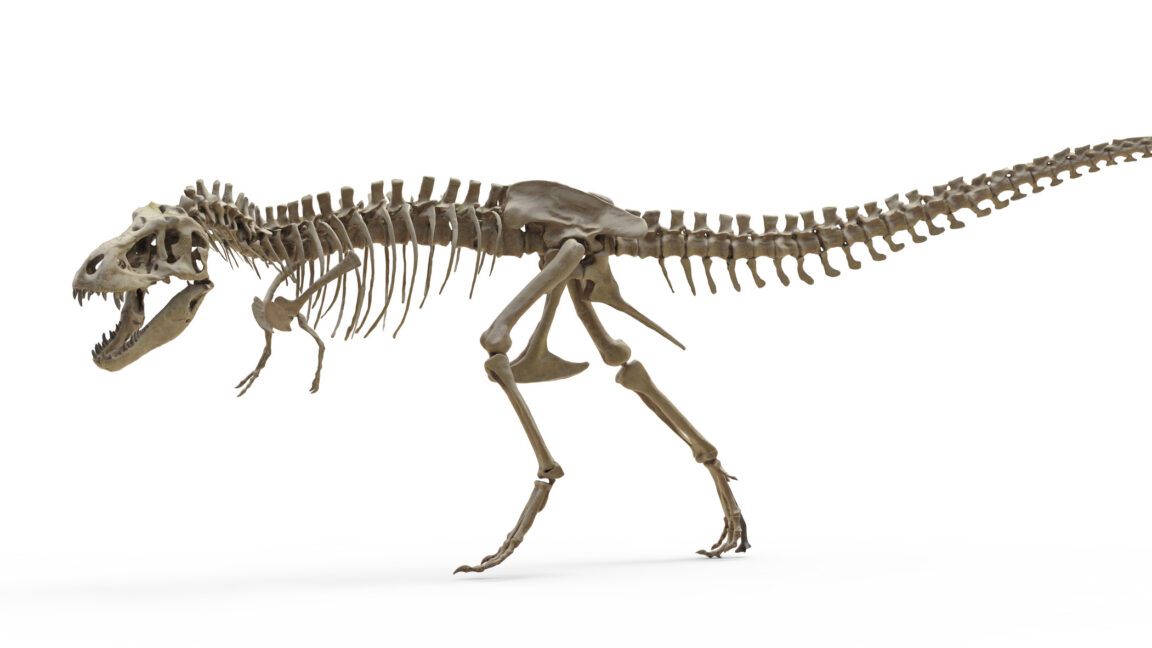
New research analyzing the teeth of Tyrannosaurus rex (T. rex) suggests the formidable predator maintained a body temperature around 36 degrees Celsius, comparable to that of a modern elephant. The study, led by geochemists Randon J. Flores and Robert A. Eagle from the University of California, Los Angeles (UCLA), utilized a method known as dental thermometry.
This technique involves analyzing the ratios of isotopes within fossilized teeth. These isotopic signatures can provide a proxy for the animal's body temperature during its lifetime. For decades, paleontologists have debated dinosaur physiology, with some arguing for endothermy (self-heating like mammals and birds) and others suggesting different thermal strategies for various lineages.
The findings indicate that T. rex was likely an endotherm, generating its own body heat. This contrasts with older views that depicted T. rex as a sluggish, cold-blooded reptile. The shift in understanding reflects a broader scientific trend moving away from the 'dinosaur equals reptile' paradigm towards viewing them as more active, bird-like creatures.
This discovery offers significant insight into T. rex's metabolism and behavior. Being warm-blooded would have supported the high energy demands of an active predator, potentially explaining its ecological success. While debates about dinosaur thermoregulation persist, this dental analysis provides compelling evidence for T. rex's internal heat generation.