Taxpayer Subsidies for Sports Stadiums Often Fail to Deliver Promised Returns
New sports stadiums frequently receive public funding, but research indicates taxpayers rarely recoup their investment. The allocated funds could potentially generate greater economic benefits elsewhere.
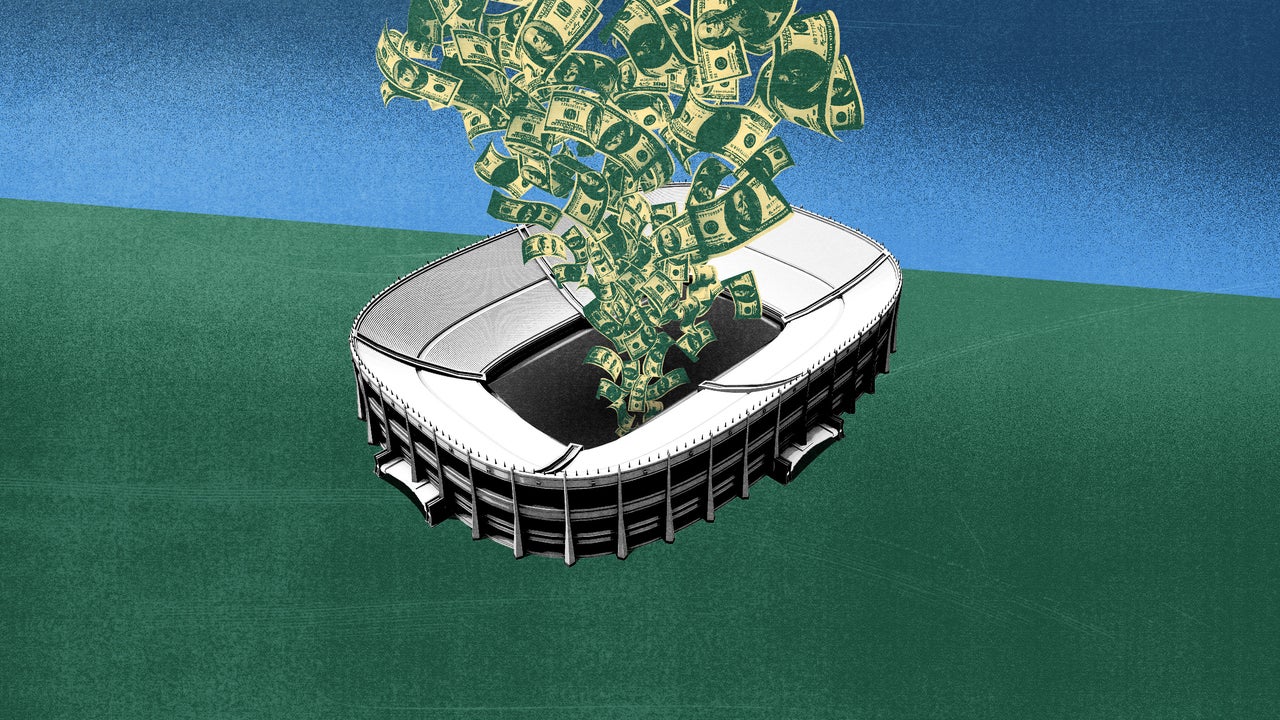
While a passion for sports is widespread, the economic benefits of publicly funded stadiums for taxpayers are frequently overstated, according to research. Despite the billions in revenue generated by professional sports leagues, many new stadiums rely heavily on public financing. Between 1970 and 2020, U.S. and Canadian taxpayers contributed approximately $33 billion towards the construction of sports venues, accounting for about 73% of the total cost.
Leagues and franchises often promise job creation, economic growth, and infrastructure improvements in exchange for public funds. They may also threaten to relocate if subsidies are not provided. However, economists argue that these promised benefits are often not realized.
Studies have shown that sports stadiums have had little to no systematic impact on new business openings or overall economic growth. Research on Atlanta's Truist Park, for instance, found that tax revenues generated did not offset the public costs of building and maintaining the stadium, leading to annual taxpayer losses of about $15 million.
Furthermore, stadiums can create negative externalities such as game-day traffic congestion, pollution, and potential increases in crime. The spending that occurs at stadiums often represents a reallocation of residents' leisure dollars rather than new economic activity. Experts suggest that public funds allocated to stadium construction could yield greater benefits if invested in other areas like public infrastructure, education, or healthcare.