Tübingen University Digitizes Prehistoric Artifacts to Prevent Loss
The Department of Prehistory and Quaternary Ecology at the University of Tübingen is digitizing its collection of over one million artifacts. The goal is to preserve and study items representing the earliest evidence of human art.
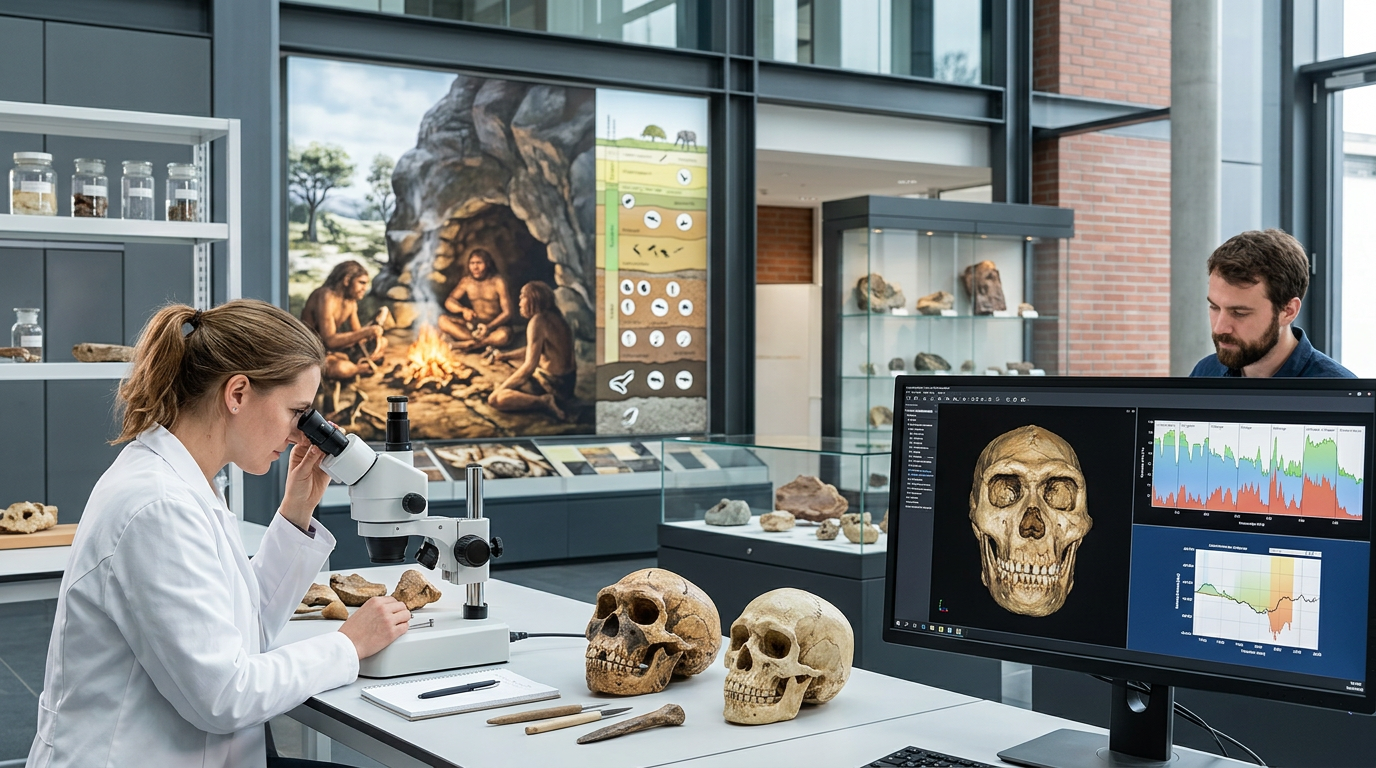
The Department of Prehistory and Quaternary Ecology at the University of Tübingen is undertaking a 3D scanning project to digitize its artifacts. The objective is to preserve and facilitate research on a collection exceeding one million items, which includes some of the oldest known examples of prehistoric art globally.
The department's collection, recognized as one of Germany's largest from the Stone Age, comprises stone tools, faunal remains, implements made from bone and ivory, and pottery originating from various sites across Europe and Africa. These artifacts have been acquired through both dedicated collectors and scientific excavations.
The necessity for digitization is particularly acute for delicate and unique objects, such as thinly worked spearheads or ornaments crafted from bone or ivory. 3D scanning allows these items to be studied and utilized in teaching without physical handling, thereby mitigating the risk of damage.
Active research is being conducted on the collection. Artifacts from the Mumba Cave site, for instance, are part of a long-term project investigating transitional phases between the Middle and Later Stone Ages in East Africa. Analyses conducted under laboratory conditions, including use-wear and residue analysis, provide insights into the function and manufacturing techniques of the artifacts. A new cultural material laboratory in Tübingen offers advanced research capabilities, such as electron microscopy and high-speed cinematography, aiding the understanding of rapid processes in ancient tool use.