Tesla Secures Largest U.S. Electric Truck Order to Date
Tesla has received the largest U.S. order for electric heavy-duty trucks, with 2,500 Tesla Semis. The order is expected to double the number of Class 8 electric trucks on American roads.
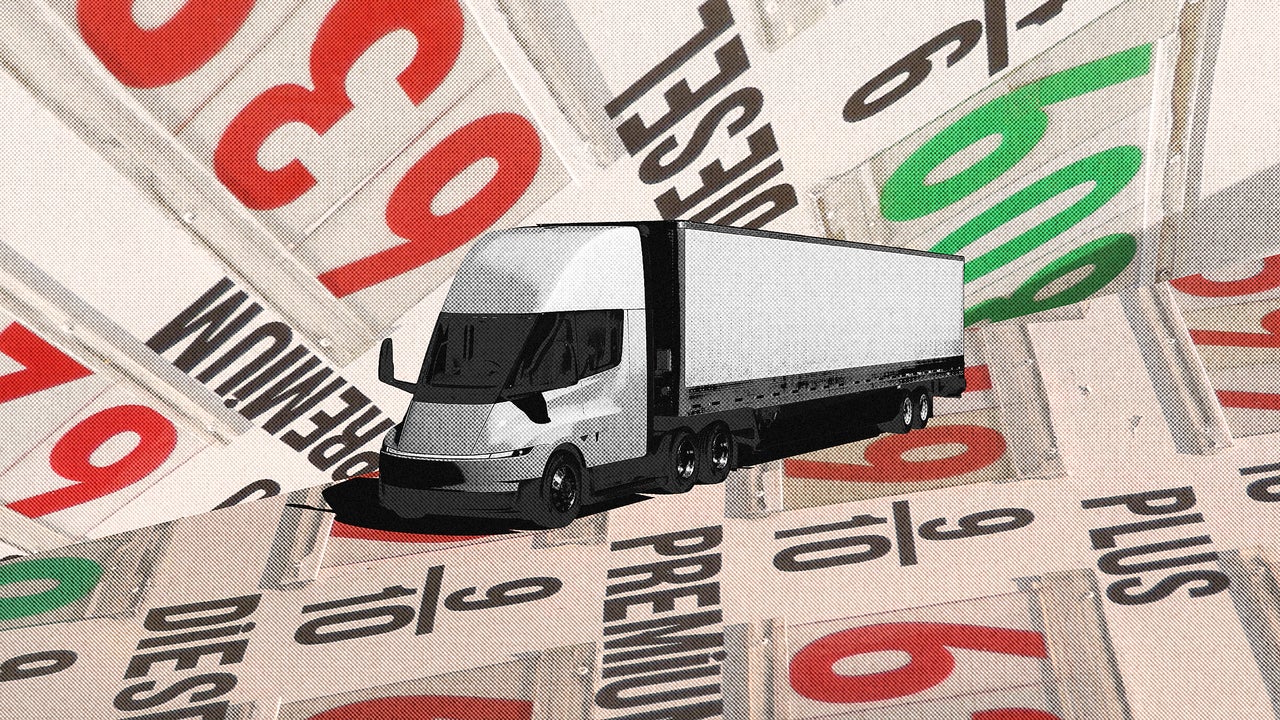
Tesla has secured the largest U.S. order to date for its electric heavy-duty trucks, with a commitment for 2,500 Tesla Semis. This significant order is expected to effectively double the number of Class 8 electric trucks currently operating in the United States.
The substantial purchase is backed by a coalition of companies, including major players like Microsoft and PepsiCo, operating under the Zero-Emission Truck Shipper-Carrier Alliance. Tesla anticipates delivering the trucks within 18 months. A financing partner will acquire the vehicles and subsequently lease them to the participating shippers, aiming to mitigate the high upfront cost of electric heavy-duty vehicles.
Tesla was selected as the supplier following a request for proposals that considered price, range, charging capabilities, and production capacity. While the exact cost per truck was not disclosed, organizers estimate that fuel and maintenance savings will make the electric trucks more economical than diesel counterparts within three years of operation. This development occurs amid surging diesel prices, which have increased transportation costs and are likely to impact consumer goods prices.
Despite advancements, electric trucks currently face limitations in fully replacing diesel models. Battery range constraints make them most practical for port operations and short to medium-range regional deliveries, typically routes between 150 to 300 miles daily. However, industry analyses suggest that over half of current heavy-duty trucking routes could be electrified with existing technology. The alliance plans to deploy these trucks across ten hubs in key locations across California, Texas, and other major U.S. cities.
The order for the Tesla Semi, which offers ranges of 325 or 500 miles, coincides with Tesla's increased production capacity at its Nevada factory, designed to eventually produce 50,000 trucks annually.