Tesla Workplace Culture Faces Legal Scrutiny Over Employee Complaints
California is suing Tesla, alleging racial harassment and discrimination at its Fremont factory. The trial will examine the company's response to employee grievances.
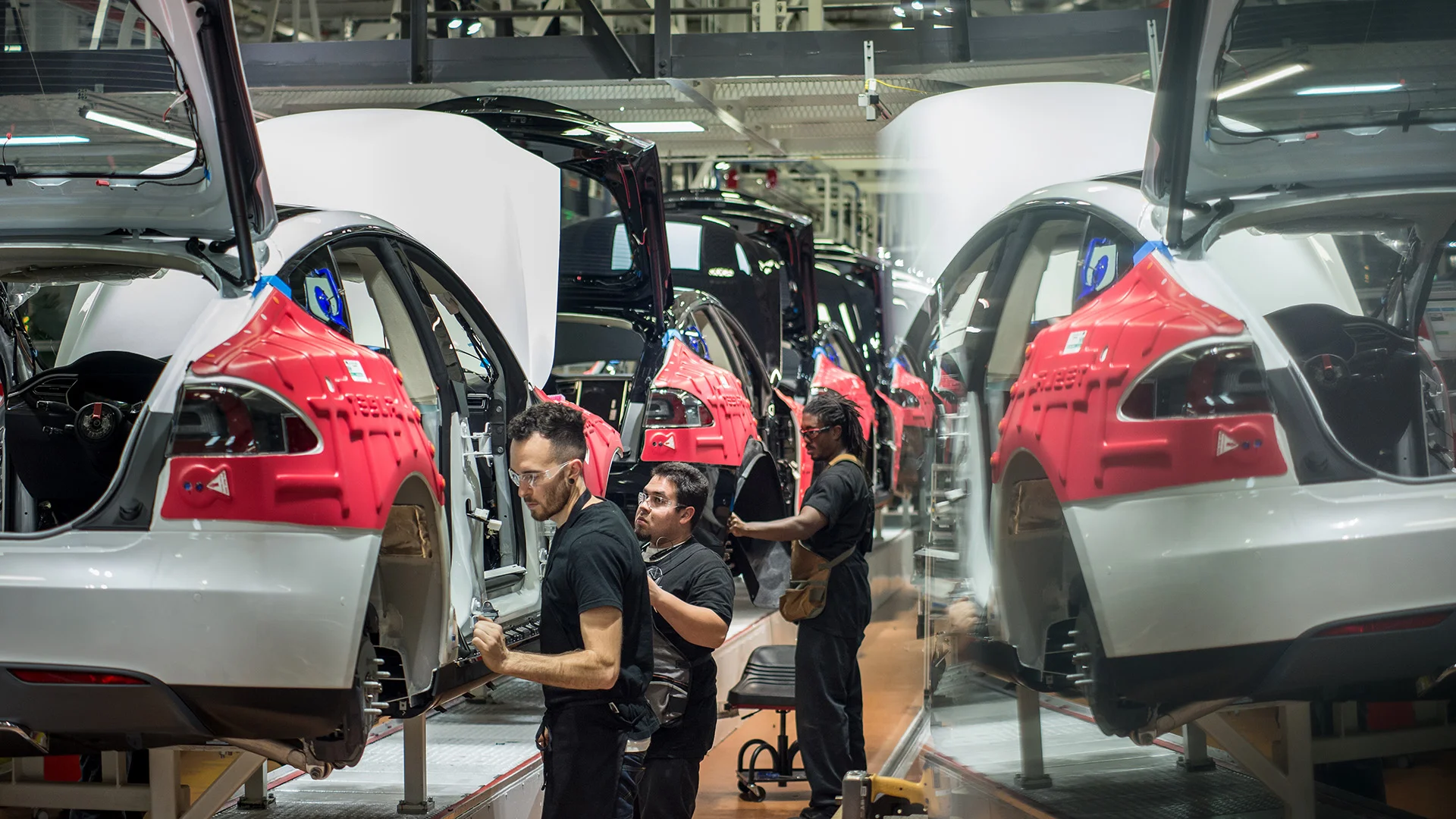
Tesla's workplace culture is currently under legal scrutiny in California, where the state alleges the automaker engaged in racial harassment, discrimination, and unequal opportunities at its Fremont factory. The state's Civil Rights Department claims Tesla failed to adequately prevent or correct the alleged behavior.
The case raises a broader leadership question for all organizations: what truly happens after an employee speaks up? The effectiveness of reporting channels, HR departments, and investigation procedures is being tested, highlighting that systems must produce credible responses.
California alleges that Black employees reported racial slurs, graffiti, and discriminatory treatment, facing retaliation for their complaints. Tesla disputes these allegations, denying it tolerates racial discrimination and questioning the state's characterization of its workplace and response.
Beyond the existence of reporting systems, the case emphasizes the importance of timely action, thorough investigations, and consequences for misconduct. Employees and their colleagues observe how concerns are handled and whether speaking up leads to positive change or negative repercussions.
The outcome of the trial will reveal Tesla's approach to serious workplace allegations and provide insights into how companies manage employee grievances, demonstrating the critical link between reported issues and observed outcomes.