Tesla's Cybercab Ad Highlights Accessibility Concerns
A promotional video for Tesla's new Cybercab robotaxi has drawn criticism on social media for an apparent oversight in demonstrating accessibility for solo riders with mobility aids.
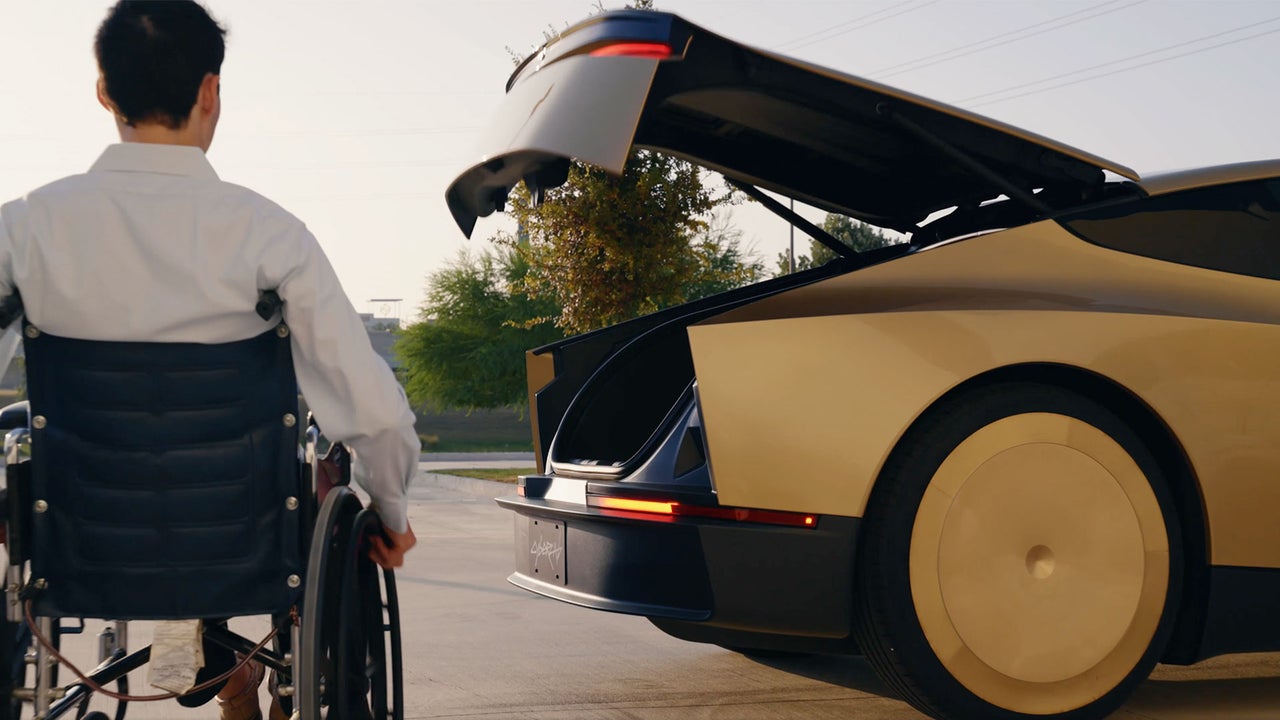
Tesla has introduced its latest robotaxi, the Cybercab, into service in Austin, Texas. This new addition to the company's autonomous fleet features distinctive butterfly doors and interactive screens, with no steering wheel.
The vehicle's promotional video, which suggested it offers a "great experience for every rider," has sparked debate online. The advertisement depicts individuals using mobility aids storing them in the vehicle's trunk. However, it does not show how a solo rider, particularly one using a wheelchair, would enter the vehicle after placing their aid in the storage area.
Social media users have pointed out this perceived flaw, with many questioning the practical accessibility for independent riders. Some commenters expressed skepticism, suggesting the ad prioritizes an image of inclusivity over actual usability for all potential passengers.
While Tesla's FAQ indicates Cybercab includes features like audio and visual aids, wheelchair-height seating, and trunk space, it does not detail how solo wheelchair users would manage entry. The company's support information suggests customers requiring wheelchair-accessible rides can utilize third-party providers through the robotaxi app.
Tesla has not responded to requests for comment regarding the ad's reception. The company has stated it is actively developing accessible ride options tailored for its robotaxi fleet.