Tesla's Cybercab Highlights First Responder Challenges with Robotaxis
Tesla's new autonomous Cybercab vehicle has raised questions about how emergency responders can manage situations involving robotaxis. New guidance requires responders to perform new actions and identify vehicle features.
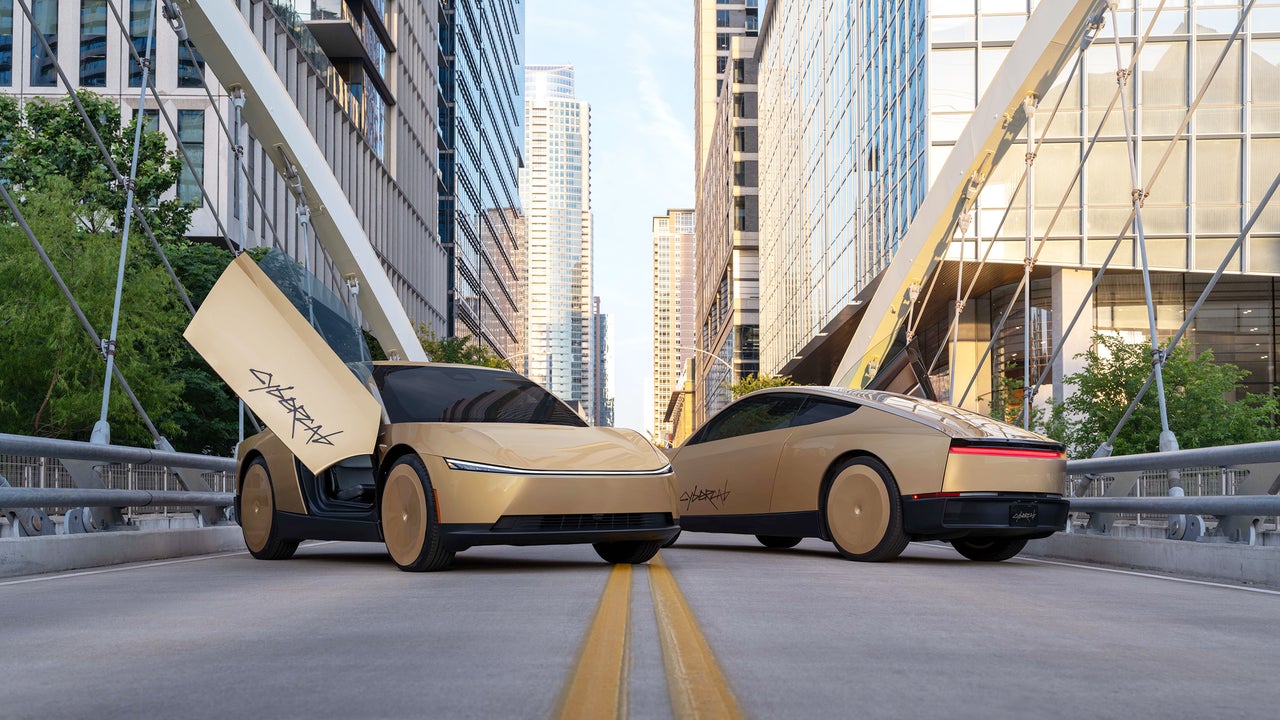
Tesla has rolled out its new autonomous Cybercab vehicle, sparking concerns about emergency responders' ability to manage incidents involving these robotaxis. The Cybercab, distinguished by its gold-tinted exterior and unique doors, has begun offering autonomous rides in cities like Austin.
The advancement of autonomous vehicle technology presents new challenges, particularly for first responders. Tesla's updated guidance for emergency personnel outlines new procedures for handling accidents involving Cybercabs. According to the instructions, firefighters might need to call two different support numbers and await company staff to connect with the vehicle. Law enforcement may also need to request Tesla activate a geofence, preventing the car from entering specific areas.
First responders are also tasked with learning to identify the Cybercab's distinctive doors and cameras, and recognizing indicators of autonomous mode. The guidance warns that manual operation, especially after a collision, can be difficult and potentially hazardous. Activating the vehicle via its touchscreen post-accident could lead to electrical fires due to the high-voltage battery system.
As electric vehicles, Tesla cars also present unique challenges related to lithium-ion battery fires, requiring specific training for fire departments. These issues are not unique to Tesla; other autonomous vehicle developers, such as Waymo, have encountered similar difficulties in first responder coordination. The National Highway Traffic Safety Administration (NHTSA) has issued warnings regarding the potential for autonomous vehicles to interfere with emergency operations.
Experts are calling for standardized, manufacturer-neutral protocols for emergency responders. This would aim to reduce the cognitive load and training burden on responders encountering vehicles from multiple manufacturers. Establishing unified, practical standard operating procedures through collaboration between manufacturers, fire departments, researchers, and regulators is essential for safety in the autonomous era.