The evolution of Helsinki’s public sauna culture
Public saunas in Helsinki have transitioned from essential 19th-century washing facilities to modern social centers, reflecting wider societal changes.
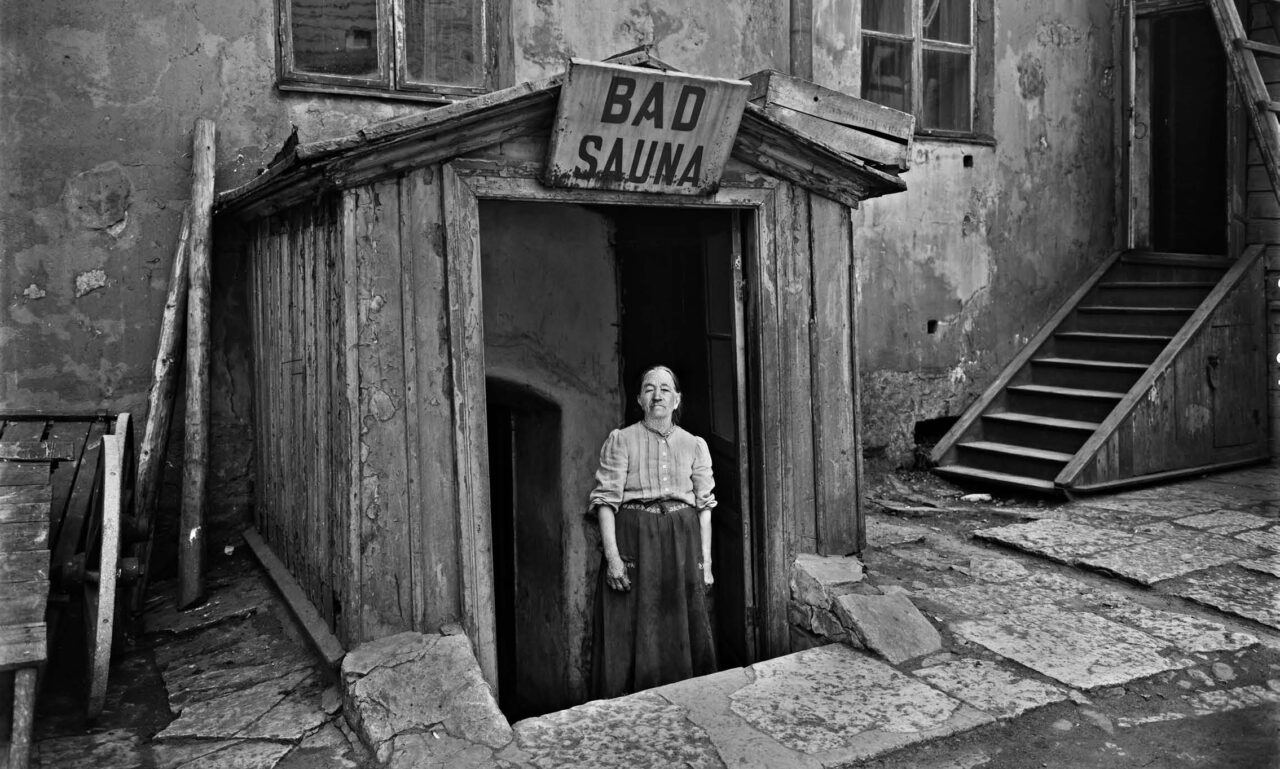
The history of the sauna in Helsinki is closely tied to the city’s industrialization and urban development. In the 19th century, public saunas were essential for working-class citizens who lacked basic amenities like running water at home. According to Ida Suolahti, a senior researcher at the City of Helsinki, these establishments served as vital centers for hygiene, social interaction, and wellness, offering services such as traditional cupping and massage.
The introduction of electric lighting significantly altered sauna customs, leading to the adoption of separate bathing times for men and women. By the mid-20th century, the rise of private home bathrooms reduced the necessity for communal baths, causing public sauna culture to decline for several decades.
A resurgence occurred in the 2010s, characterized by the emergence of architecturally driven projects like Löyly and Kulttuurisauna. These modern venues transformed the sauna experience into a lifestyle destination, incorporating dining, sea access, and social gatherings. This revival has refocused public attention on the communal nature of the sauna, securing a place for both long-standing establishments and new developments in the city’s social fabric.