The niche demand for compact smartphones persists after Apple discontinues mini line
Despite Apple ending production of the iPhone mini in 2023 due to low sales, a dedicated user base remains loyal to the form factor for its ergonomic benefits.
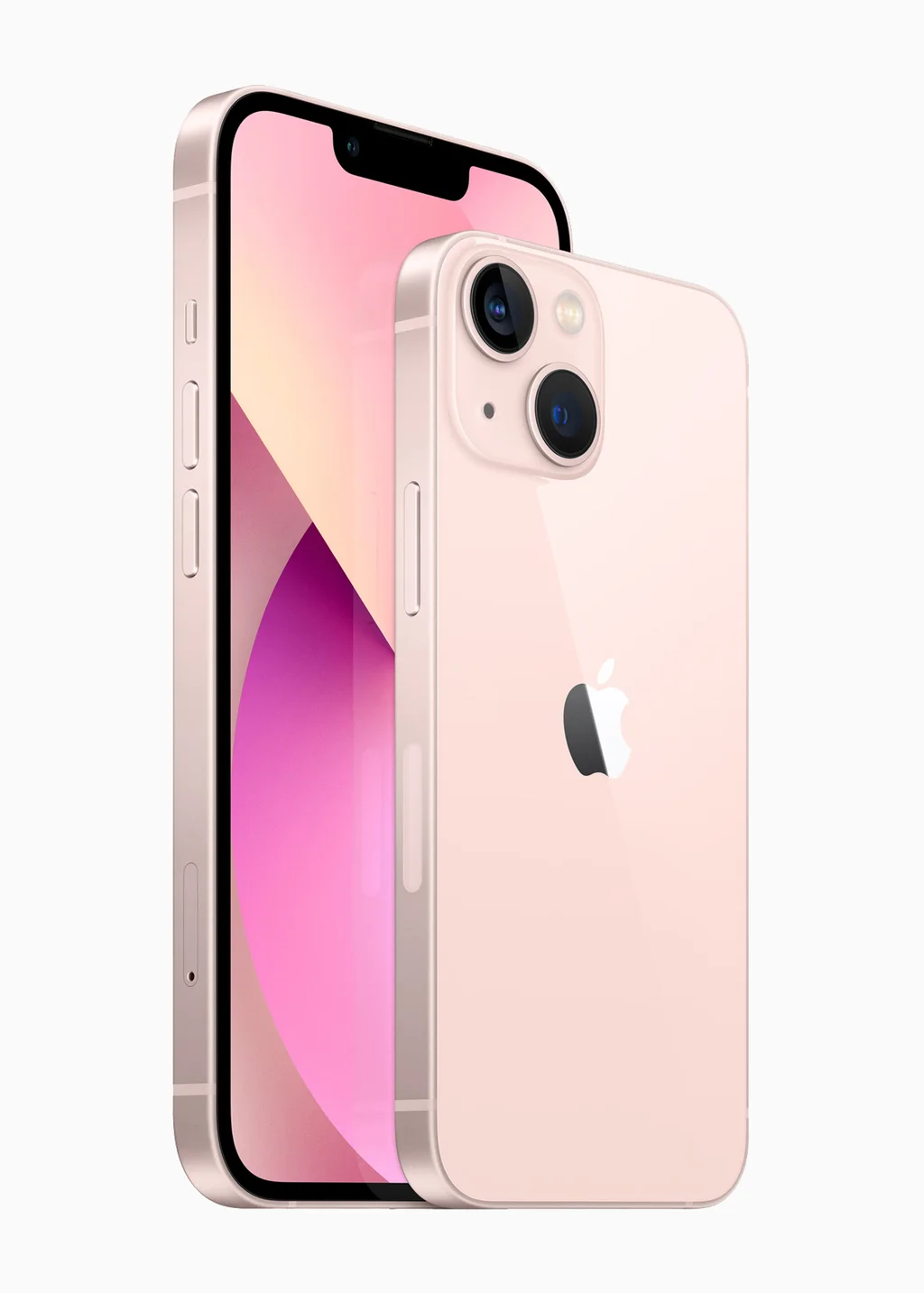
Since the launch of the original iPhone in 2007, the smartphone industry has moved aggressively toward larger displays. While early Apple design focused on one-handed use, the rise of the 'phablet' category—pioneered by competitors like Samsung—shifted consumer expectations. Apple eventually followed this trend with the 2014 launch of the iPhone 6 Plus, a move that prioritized screen real estate over the ergonomic convenience of smaller devices.
In 2020, Apple introduced the iPhone mini as a direct response to segments of the market favoring smaller hardware. However, the device failed to reach mainstream adoption. Industry reports suggest that the mini models accounted for less than 5% of total iPhone sales, as consumers generally opted for larger screens and superior battery life. Consequently, Apple discontinued the line in 2023.
Despite its lack of commercial dominance, the device maintains a persistent following. Current users cite ease of pocketability and one-handed operation as primary reasons for retaining the hardware. This trend highlights a broader tension between the industry's drive for increased specifications and a subset of consumers who prioritize functional sufficiency over the latest large-format technology.