The yellow school bus: Safety standard became an American icon
The iconic yellow color of the American school bus was chosen for visibility and safety in 1939, establishing a national standard and a recognizable symbol.
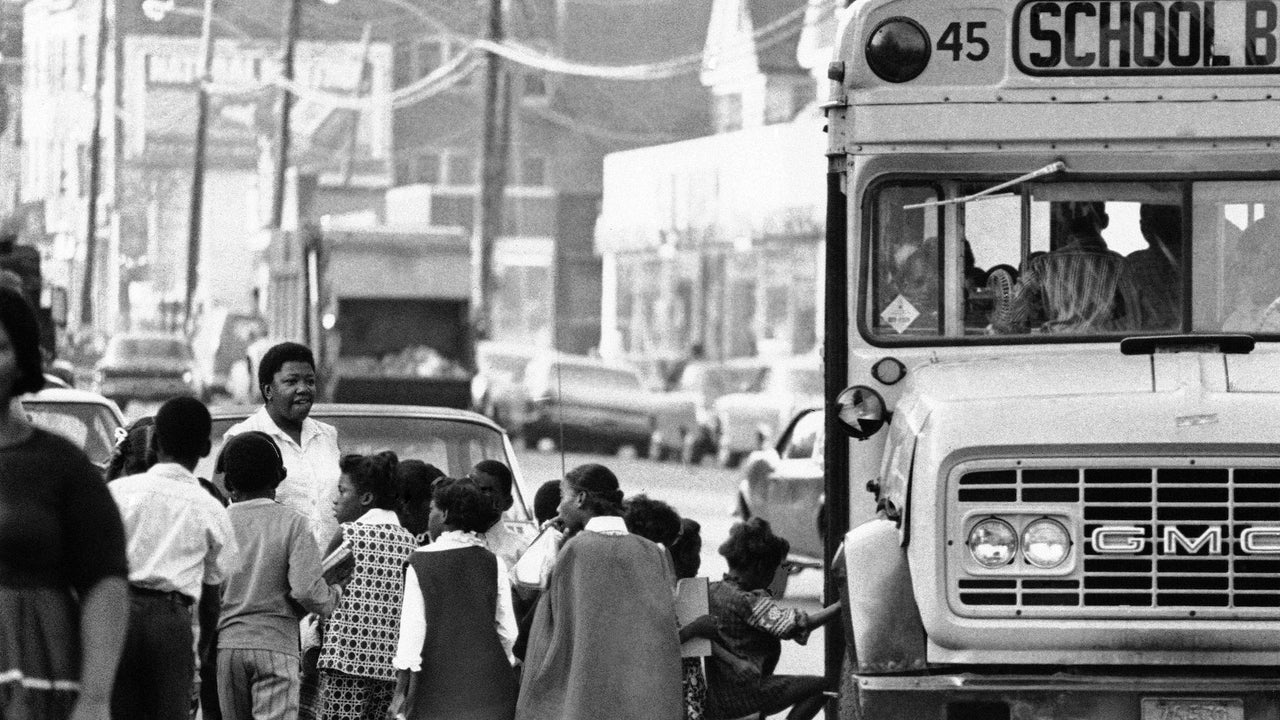
The distinctive yellow hue of the American school bus, often referred to as "school bus yellow," was not mandated by law but selected for its visibility. In 1939, transportation officials from across the U.S. met and chose the shade as one of the earliest safety standards for school transportation.
The metal-bodied school bus originated in rural America, with early designs adapted from vehicles like those used for transporting cement workers. Georgia car dealer Albert Luce is credited with adapting such a vehicle for school use when his company found a different application.
This development coincided with a period of school consolidation, where larger schools replaced smaller neighborhood ones, necessitating longer-distance transportation for students. The bus played a role in social changes, including contributing to school desegregation by transporting Black and white children together.
Over the decades, school buses have seen continuous safety improvements, evolving from early models that carried around 20 children. However, recent years have seen challenges such as driver shortages, impacting the availability of school bus transportation for many students across the country.