Theater Studies Celebrates 100 Years at LMU Munich
Ludwig-Maximilians-Universität München (LMU) marks 100 years of research in Theater Studies. Experts discuss theater's role in contemporary society and its evolving formats.
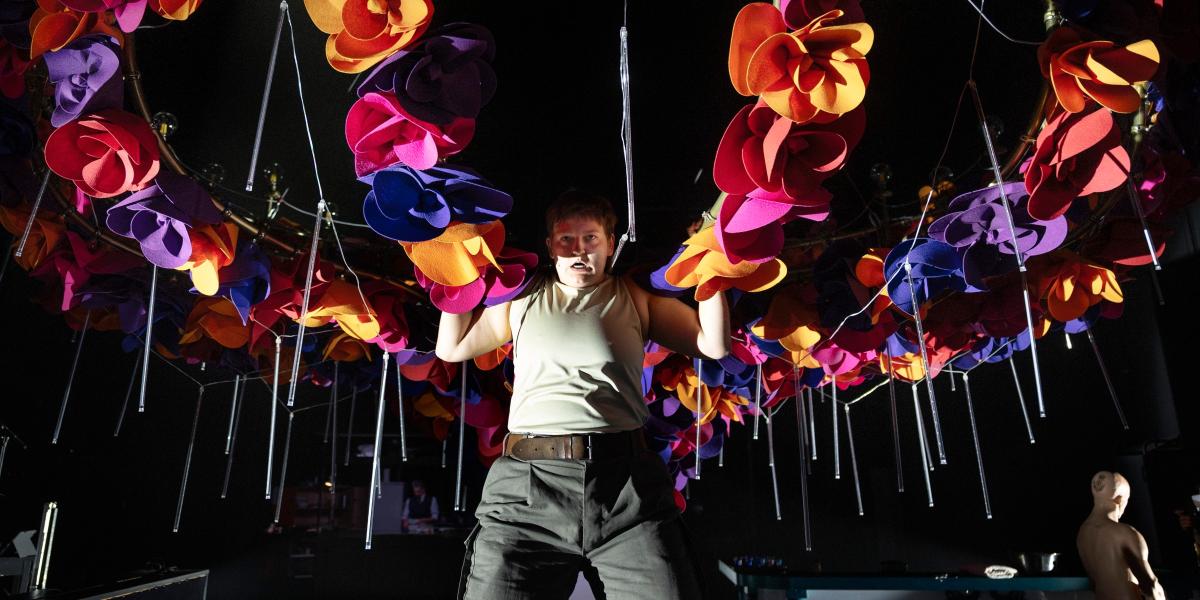
Ludwig-Maximilians-Universität München (LMU) is celebrating the 100th anniversary of its Institute for Theater Studies. To mark the occasion, Professors Meike Wagner and David Roesner reflect on theater's societal role and its transformations over the past century.
When asked about theater's current societal standing, Wagner emphasizes its enduring relevance. "Theater has always managed to reinvent itself," she states, highlighting its nature as a live medium that relies on audience presence and community. Roesner concurs, arguing that the communal aesthetic and cognitive experience of live theater cannot be fully replicated through recordings.
Wagner describes theater as a "utopian medium" that presents audiences with a vision of the future, which can be both stirring and comforting. She suggests this capacity to envision a better future is vital for democracy, which needs forward-looking narratives to thrive.
Over its 100-year history, theater has evolved significantly, particularly in its diversity of formats. Today, theater institutions function as societal entities, defining theater as a social practice. This includes formats like community theater, children's theater for disadvantaged groups, and panel discussions presented on stage.
Beyond traditional literary drama, newer forms have emerged, such as post-dramatic theater, which deconstructs literary texts, and "Devised Performance," where themes are collaboratively developed without a pre-existing script. Roesner notes that political and societal issues, including the climate crisis and democratic challenges, are prominent on stage. Furthermore, theater now engages politically by critically examining its own working conditions.