Theban tomb reveals Egyptian burial trends over time
New research from Egypt's Theban necropolis outlines how burial practices evolved over centuries, shifting from individual to reused graves.
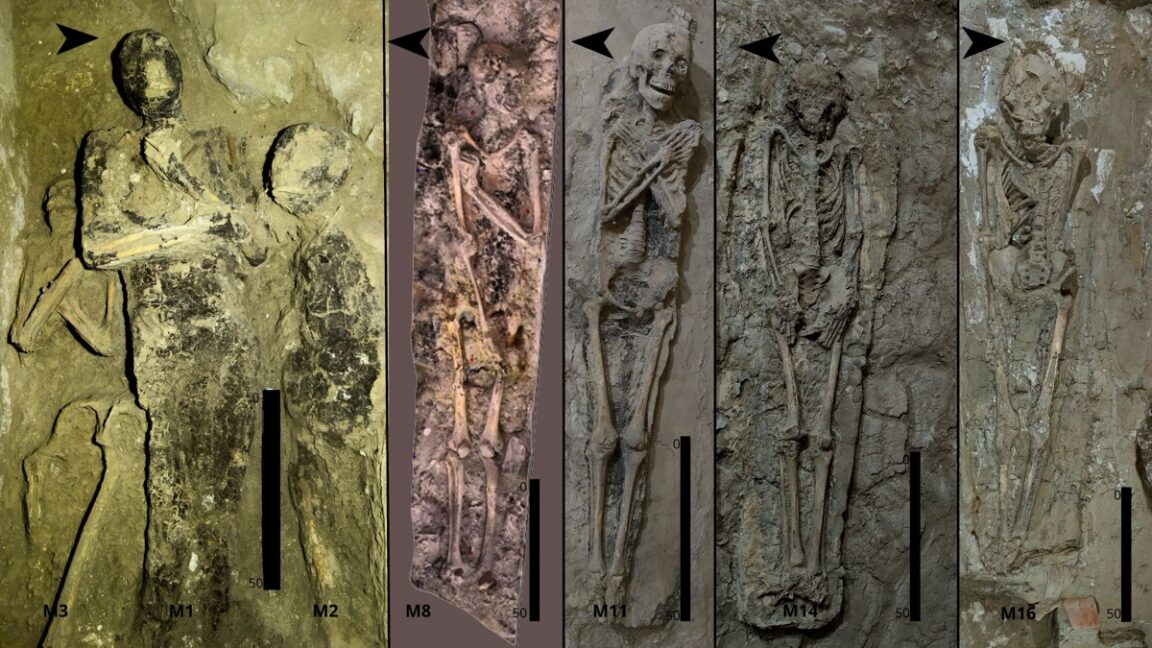
Egypt's Theban necropolis, containing over 400 tombs, offers archaeologists significant insights into the region's ancient history. A recent study published in Frontiers in Environmental Archaeology details the evolution of Egyptian burial trends.
The research indicates a shift from individual burials in elaborate coffins towards the reuse of earlier burial sites. This practice led to increased grave density and instances where bodies were interred on top of one another.
The study specifically examined Tomb 209 in the western necropolis, dating from the early 25th Dynasty (754–656 BCE) and abandoned during the Ptolemaic period (305–30 BCE). Its original owner was likely Nisemro, a high official of Nubian descent.
Due to its location in an active drainage channel, the tomb experienced repeated flash floods, presenting a complex archaeological site. Researchers employed an integrated archaeothanatological approach, analyzing body position, coffin use, superposition of remains, and stratigraphic relationships alongside osteological analysis to reconstruct the sequence of burials.