Tianjin University Cuts Platinum Group Catalyst Production to Minutes
Researchers at Tianjin University have developed a new "transient assembly" strategy and millisecond-level thermal pulsing technology, reducing the production time for platinum group catalysts from hours to minutes.
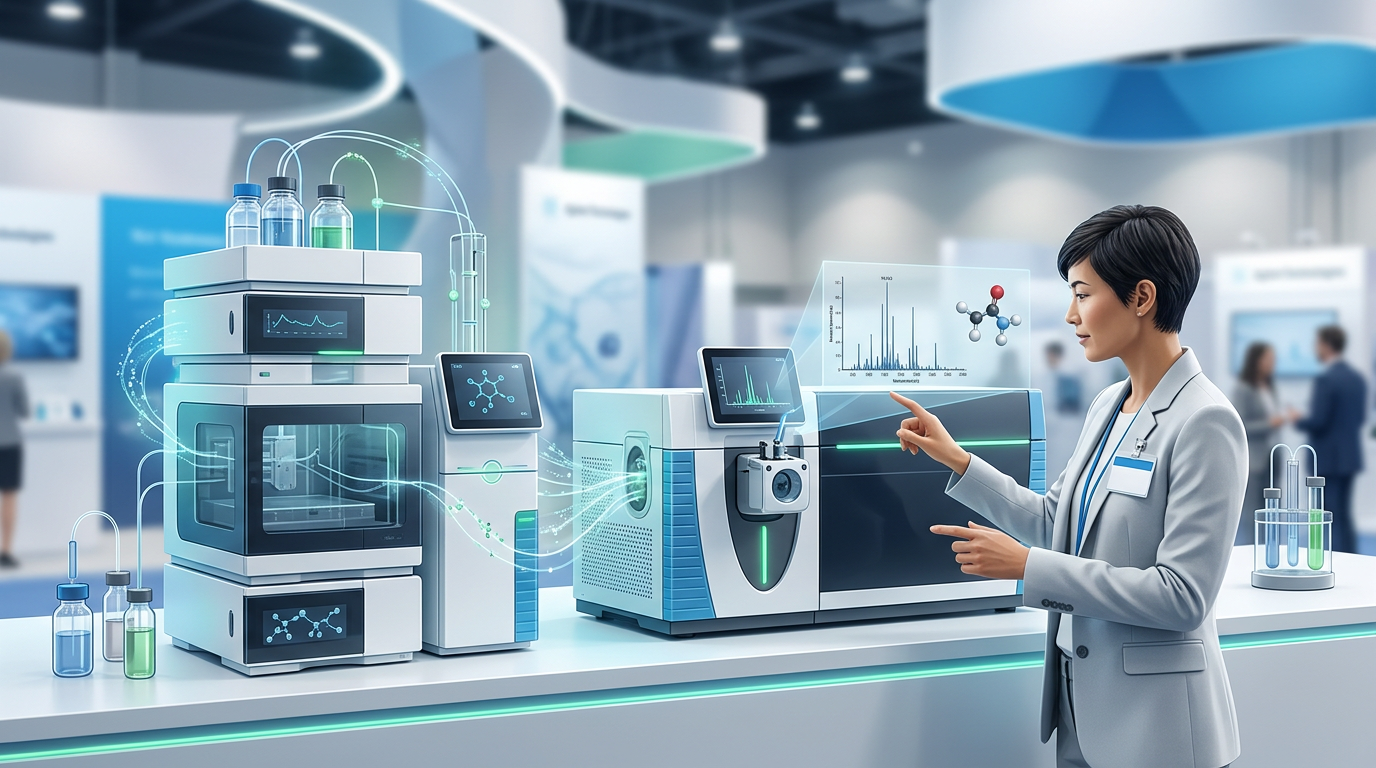
Tianjin University announced it has developed a novel approach for synthesizing platinum group metal catalysts, significantly reducing the preparation time from hours to mere minutes. The research team employed a "transient assembly" strategy combined with millisecond-period thermal pulsing technology, enabling ultra-fast synthesis and precise control over the core-shell structure of these catalysts.
Platinum group metals are critical catalysts for various industries, including energy, chemicals, and environmental applications. The precise construction of core-shell structures using platinum group metals and non-precious metals is essential for balancing high catalytic activity with reduced precious metal usage. Traditional synthesis methods involve lengthy high-temperature processes, often leading to complexity, high energy consumption, and limited precision, posing a significant bottleneck in the field.
The newly developed method utilizes a non-equilibrium transient assembly strategy, applying pulsed thermal energy on the millisecond scale. This drives nano-crystals to assemble into core-shell structures under transient, high-energy conditions, allowing for atomic-level control of the platinum shell thickness. The synthesis process, previously taking hours, can now be completed in minutes. Furthermore, this technique reportedly reduces the energy required per unit mass of catalyst by up to 90%.
Catalysts produced using this new method have demonstrated excellent durability and a rated power of 15.2 kW per gram of platinum in hydrogen fuel cells. The findings were published in the scientific journal "Science" under the title "Transient assembly for precisely controlled platinum shell intermetallic fuel cell catalysts."