Tianjin University Develops New Membrane for Carbon Capture
Researchers at Tianjin University have developed a new type of all-organic mixed-matrix membrane, promising a more efficient and scalable approach to carbon capture.
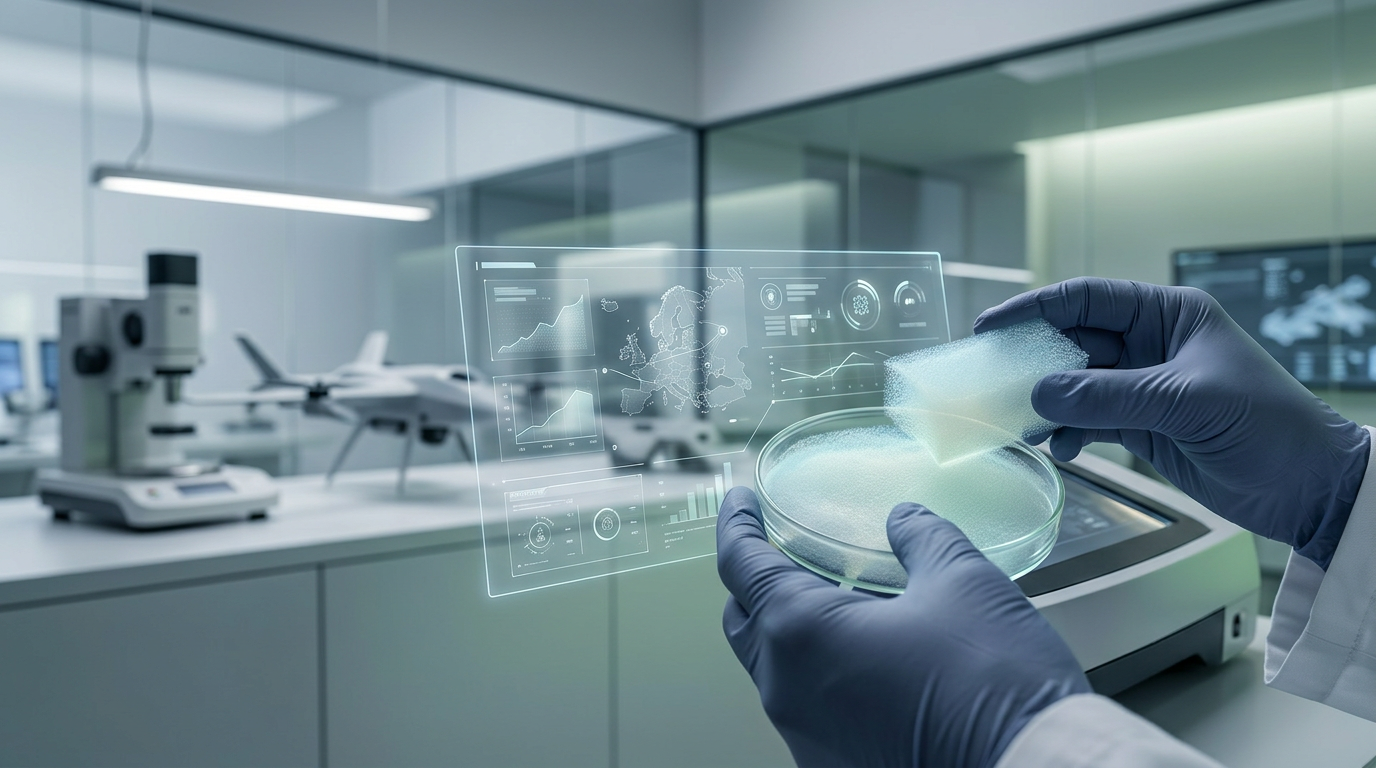
A research team at Tianjin University in China has developed a new type of all-organic mixed-matrix membrane that enhances the efficiency and scalability of carbon capture. The novel membrane material combines high separation performance with long-term stability and suitability for large-scale industrial processes.
Membrane separation has gained attention for carbon capture due to its potential advantages in energy efficiency and environmental performance. However, separating CO2 from industrial flue gas remains challenging, requiring membranes capable of rapid CO2 transport, effective separation of other gases, and stable performance over time.
The team, led by professors Jiang Zhongyi and He Guangwei, addressed compatibility issues by combining the processability of polymers with the efficient molecular transport properties of porous fillers. Their "weak-interaction inlaying" strategy utilized single-crystal covalent organic frameworks (COFs) as fillers, achieving uniform incorporation within the polymer matrix. This structure maintained the polymer's flexibility and processability, while the ordered pores of the COF crystals provided efficient pathways for CO2 transport.
Tests using simulated flue gas demonstrated a tenfold increase in CO2 permeability, setting a new record. The membrane also exhibited strong long-term stability, with performance remaining consistent during extended operation and under conditions including water vapor, sulfur oxides, and nitrogen oxides. A preliminary techno-economic analysis estimated the carbon capture cost at approximately $38 USD per ton of CO2, potentially supporting future applications in carbon capture from power generation, cement, and steel production.