Tick-Linked Red Meat Allergy Antibody May Be More Prevalent Than Believed
A study suggests up to 30 percent of people in some parts of the US may carry the antibody linked to a tick-borne red meat allergy. This figure significantly exceeds previous estimates of those actually affected by the allergy.
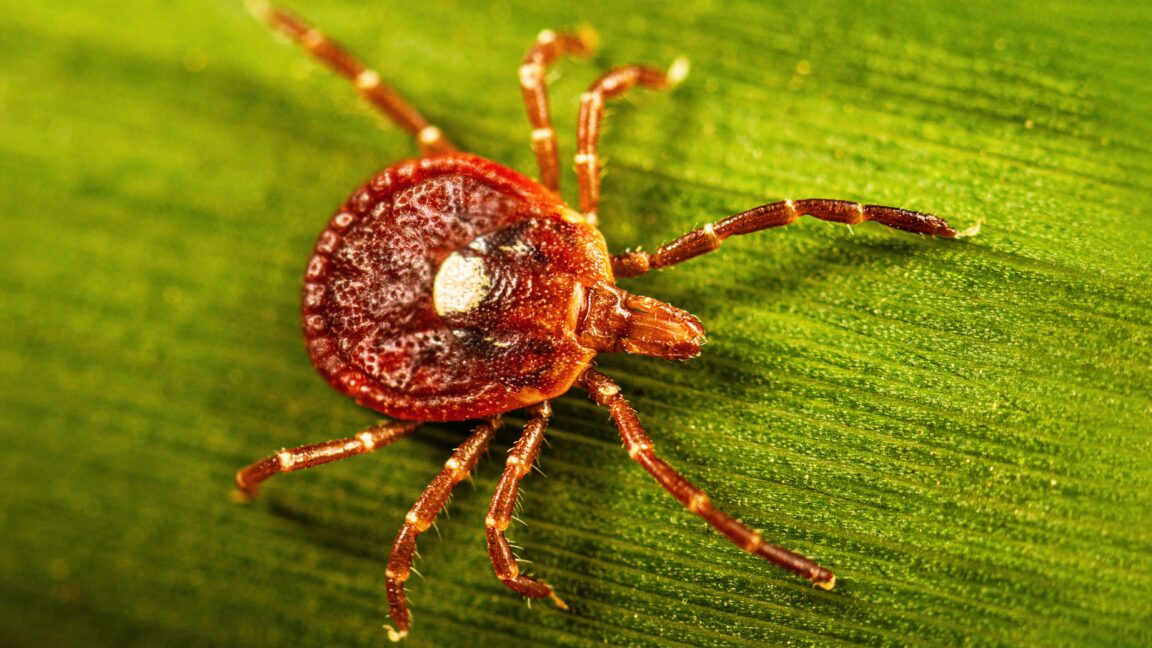
A substantial portion of the U.S. population may be at risk for a red meat allergy transmitted by tick bites, according to new research. In certain regions, as many as 30 percent of individuals might possess the specific antibody associated with this condition, a far higher prevalence than previously estimated. The findings were published in the Morbidity and Mortality Weekly Report.
This suggests that the number of Americans susceptible to this allergy, which can make consuming red meat a life-threatening event, is much larger than previously understood. The Centers for Disease Control and Prevention (CDC) had previously estimated that only about 0.14 percent of the U.S. population, or up to 450,000 people, actually have the allergy. The study also underscores the limited understanding of this unique condition and the difficulties in its accurate diagnosis.
The research involved surveying blood donations for the presence of the key antibody, known as IgE. This antibody specifically targets a sugar molecule called galactose-α-1,3-galactose, or alpha-gal. This molecule is found on the cells of non-primate mammals, such as cows and pigs, and is also present in the saliva of certain ticks, most notably the lone star tick (Amblyomma americanum). Individuals bitten by these ticks can develop IgE antibodies against alpha-gal, which can subsequently trigger allergic reactions to red meat and other animal products like dairy and gelatin.
These findings raise questions about the threshold for developing clinical symptoms and the broader public health implications. Further investigation is needed to determine the correlation between the presence of alpha-gal antibodies and the actual manifestation of allergic reactions.