Toddler's death from rare amoeba highlights diagnostic challenges for doctors
A healthy toddler in Washington state died from an extremely rare brain-destroying amoeba, a case that underscores the difficulties in diagnosing the condition due to its subtle and varied symptoms.
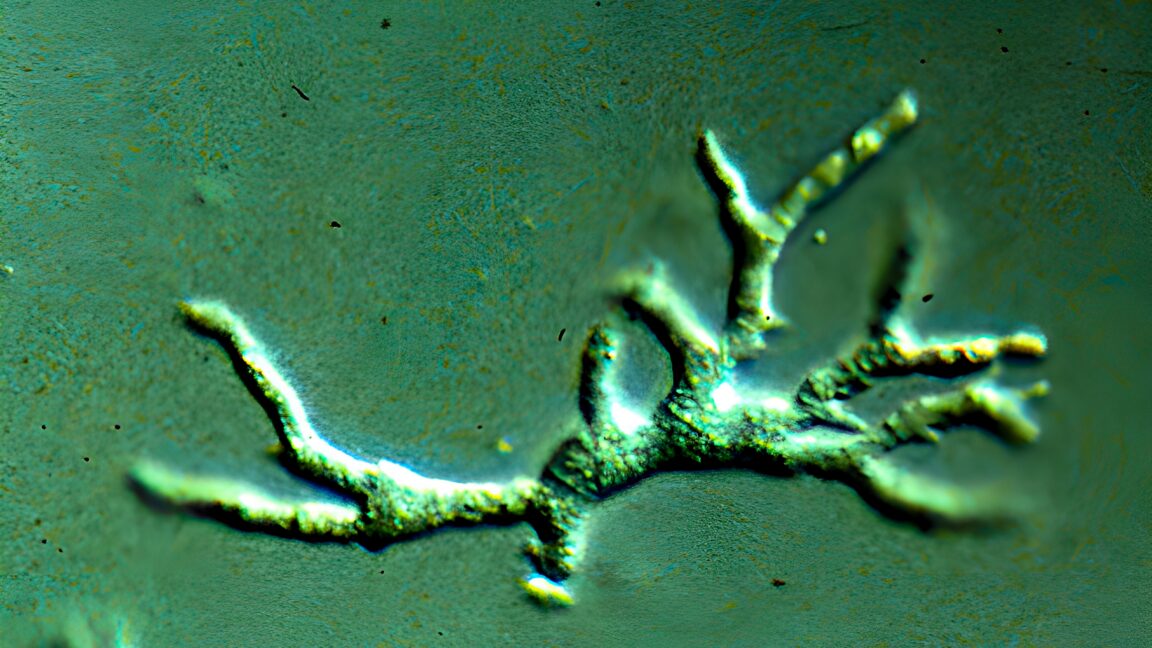
A previously healthy toddler in Washington state experienced a rapid decline after falling ill with symptoms including vomiting, lethargy, and right-sided weakness. Doctors were challenged to identify the cause, an ultra-rare amoeba known for its devastating effect on the brain. The pathogen was first identified in 1986.
The infection's symptoms can be vague, and its rarity means it is often undiagnosed or misdiagnosed. In this case, the infection presented atypically, leading medical professionals down the wrong diagnostic path despite available medical literature offering some clues.
Globally, only around 200 human cases have been recorded, with a fatality rate of approximately 90 percent. This tragic event offers critical lessons for healthcare providers regarding the identification and diagnosis of rare but fatal diseases.