Traditional Healing Plant Preserves Indonesia's Fragile Limestone Landscapes
A study from Hasanuddin University reveals how Ficus septica connects traditional healing knowledge with ecological resilience in its role protecting Indonesia's fragile limestone environments.
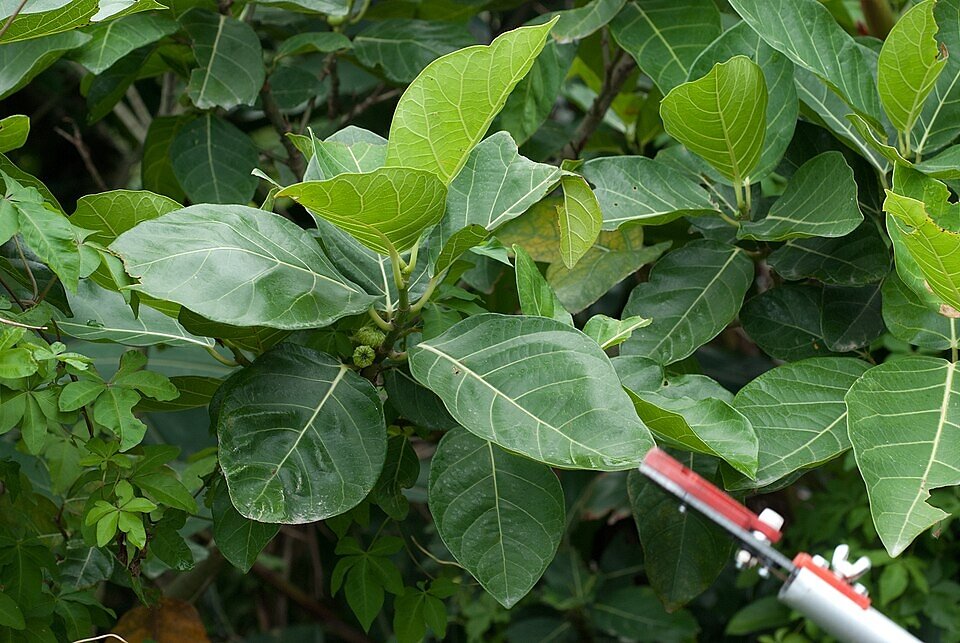
Researchers at Hasanuddin University have investigated the role of Ficus septica, a plant known locally as awar-awar or tobo-tobo, in preserving Indonesia's diverse and fragile karst landscapes. The study, led by Professor Ahmad Ismail, was published in the Journal of Ethnobiology and Ethnomedicine in April 2026.
The plant holds a long history in traditional medicine among the Bugis-Makassar communities in South Sulawesi, valued for its "cooling" properties. It has been traditionally used to treat heat-related ailments such as fever, inflammation, and wounds. Professor Ismail stated that the study aimed to link traditional knowledge with the plant's phytochemical and ecological evidence.
The research involved interviews with local knowledge holders who described the plant's uses and cultural significance. Phytochemical profiling identified 54 bioactive compounds possessing anti-inflammatory, antioxidant, and antimicrobial properties, providing scientific backing for its traditional medicinal applications.
Furthermore, Ficus septica was found to be a pioneer species thriving in the harsh conditions of karst landscapes. It contributes to soil stabilization, microhabitat formation, and seed dispersal networks mediated by frugivores, making it crucial for ecosystem regeneration. The findings support several UN Sustainable Development Goals, including Life on Land (SDG 15), Good Health and Well-Being (SDG 3), and Sustainable Cities and Communities (SDG 11).