Trump Administration Ends Medicare Part D Subsidy
The Trump administration announced it will end a subsidy program that helped keep Medicare Part D premiums lower and more stable. The change is set to take effect in 2027.
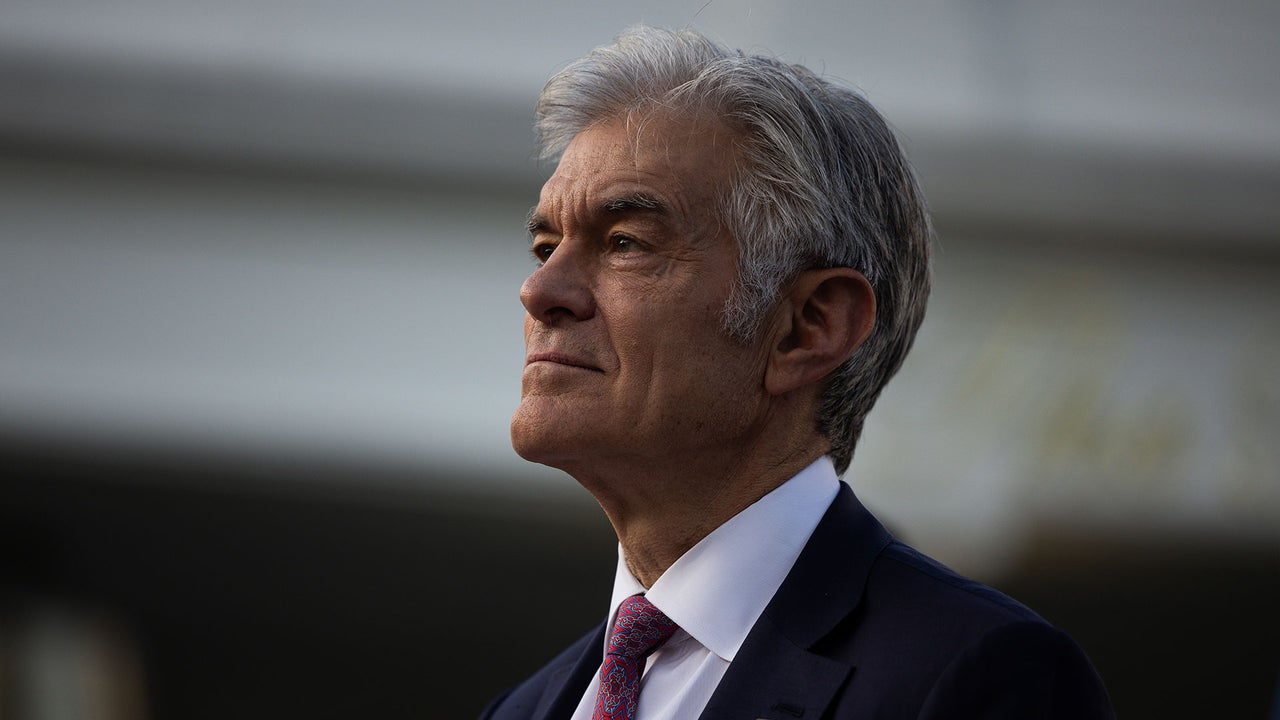
The Trump administration has announced its decision to terminate a subsidy program integral to maintaining lower and stable premiums for Medicare Part D, the federal prescription drug benefit. This change, slated to begin in 2027, could impact millions of American seniors who rely on the program to manage their prescription drug costs.
Medicare Part D, established in 2006, aims to alleviate the financial burden of prescription medications for Medicare beneficiaries. In 2022, the Biden administration enhanced the program with cost-saving provisions under the Inflation Reduction Act, including out-of-pocket spending caps and drug price negotiations. These specific enhancements are now set to be discontinued.
The precise effect of this subsidy removal on future prescription drug costs and premium hikes for seniors remains unclear. However, experts suggest that without these additional subsidies, some beneficiaries could face higher premiums starting in 2027. Previously, these subsidies were estimated to reduce average premiums by $26 in 2025 and $16 in 2026.
The initiative to end the subsidies is reportedly linked to the program's substantial costs, projected at $9.8 billion for 2025 and 2026. According to the Centers for Medicare and Medicaid Services (CMS), insurers are deemed to possess sufficient pricing experience and no longer require government assistance. Final premium and plan details for 2027 are expected to be released by CMS in September.