Trump Forms AI Task Force Amid Competing Industry and Political Interests
Donald Trump has established a new AI task force, co-chaired by four officials, to navigate U.S. policy on the emerging technology. The group aims to balance competing viewpoints on AI development and regulation.
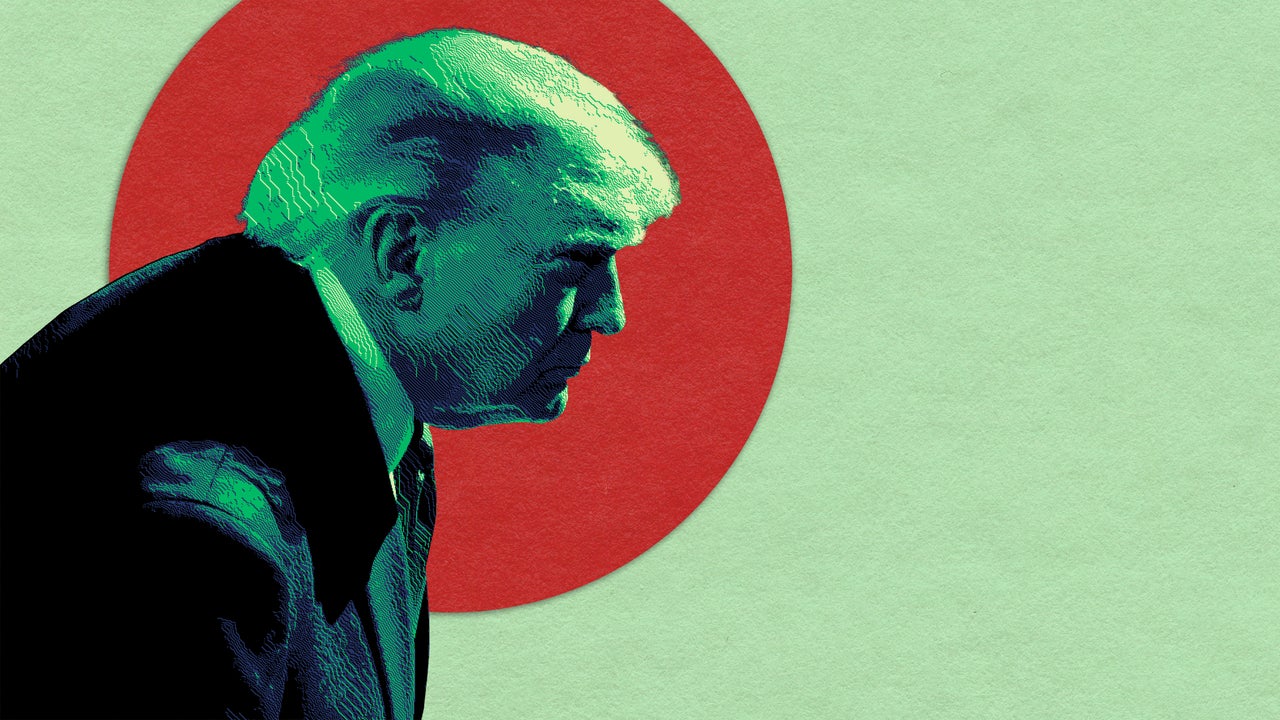
Donald Trump has formed a new Artificial Intelligence task force, co-chaired by Director of National Intelligence Jay Clayton, Office of Personnel Management director Scott Kupor, chief technology officer Emil Michael, and FTC vice chair Andrew Ferguson. This diverse leadership reflects the administration's challenge in reconciling the various, often conflicting, interests shaping U.S. AI policy.
The task force must balance the demands of "accelerationists" in Silicon Valley, who prioritize rapid AI development and minimal regulation, fearing a loss of competitive edge. They advocate for building more capable systems faster, with the administration already working to preempt stricter state laws and promote a "minimally burdensome" federal framework.
Conversely, a significant segment of the MAGA coalition calls for stricter controls on advanced AI. Allies have urged mandatory testing and government approval for potentially dangerous AI models, citing concerns over job displacement and the concentration of power in large tech companies. This group, including figures like Steve Bannon, advocates for robust oversight.
Lawmakers, such as Senators Josh Hawley and Chris Murphy, are pushing for legislation that would establish civil and criminal liability for AI-driven harms, reflecting concerns about safety oversight highlighted by past Big Tech scrutiny. Meanwhile, "China hawks" within the Republican Party worry that slowing U.S. AI development through regulation could cede technological advantage to Beijing, with officials like Treasury Secretary Scott Bessent advocating a more aggressive stance.
The tech companies themselves are also divided. Some, like OpenAI, suggest accepting certain risks are necessary for continued advancement, while others, like Anthropic, advocate for a more cautious approach to development speed. The task force faces the complex challenge of creating a unified AI policy that satisfies industry acceleration, political skepticism, legislative demands for safeguards, and national security concerns regarding international competition.