Trump's $500 Healthcare Checks Fail to Offset Rising Costs
The Trump administration has begun sending $500 checks to approximately 1 million Obamacare enrollees, framing them as refunds for high costs. Critics argue these payments are insufficient to address rising healthcare expenses and politically motivated ahead of elections.
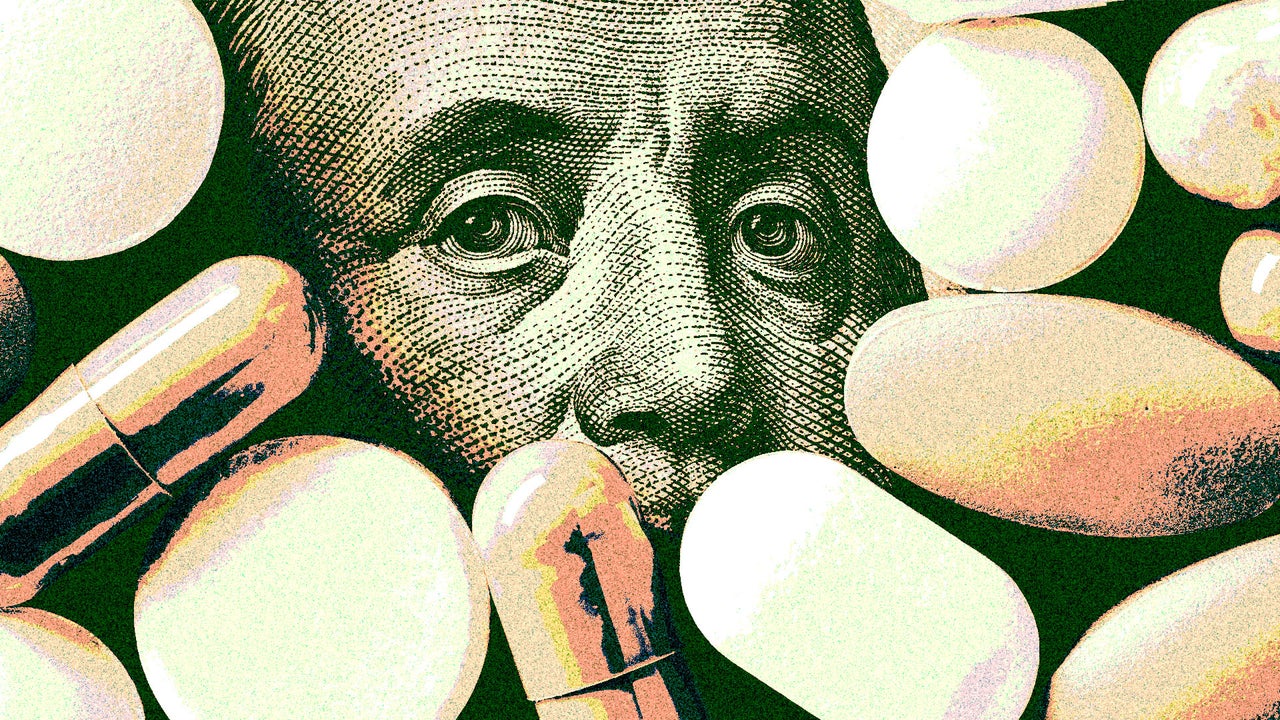
The Trump administration has initiated the distribution of $500 checks to roughly one million Obamacare enrollees. The administration refers to these payments as "refunds," attributing high costs to "gross mismanagement of Obamacare" by the current administration.
Former President Trump has stated these checks "do the right thing and give the money back to the people who were wrongly ripped off," suggesting they could cover insurance costs entirely. However, analysts and critics question the actual impact of these one-time payments on escalating healthcare expenses. Average premium costs have reportedly risen significantly in recent years, with some individuals facing over $1,000 in annual increases.
Experts, including health policy professor Jonathan Oberlander, view the move as a political strategy aimed at influencing upcoming congressional elections. While some recipients may experience minor relief, the $500 amount is unlikely to cover even a month's average premium. Furthermore, the payments are limited to states utilizing the Healthcare.gov marketplace, excluding those with state-run exchanges.
These checks are being sent to individuals who pay the full price for their health insurance without federal subsidies. They were also not expected to benefit from the expiration of enhanced premium tax credits. Despite this, their premium costs have still increased substantially. For instance, average premiums rose by 18% in 2026 and are projected to continue double-digit growth in 2027.
The initiative raises questions about its efficacy in alleviating genuine healthcare costs and its underlying political motivations. Analysts note that while the funds originate from ACA exchange user fees, their impact is minimal compared to the overall rise in expenses.