Trump's White House Ballroom Drone Port Plan Faces Challenges
President Donald Trump's vision for an armed drone port atop a new White House ballroom has raised questions. Meanwhile, the Secret Service already operates smaller surveillance drones nearby.
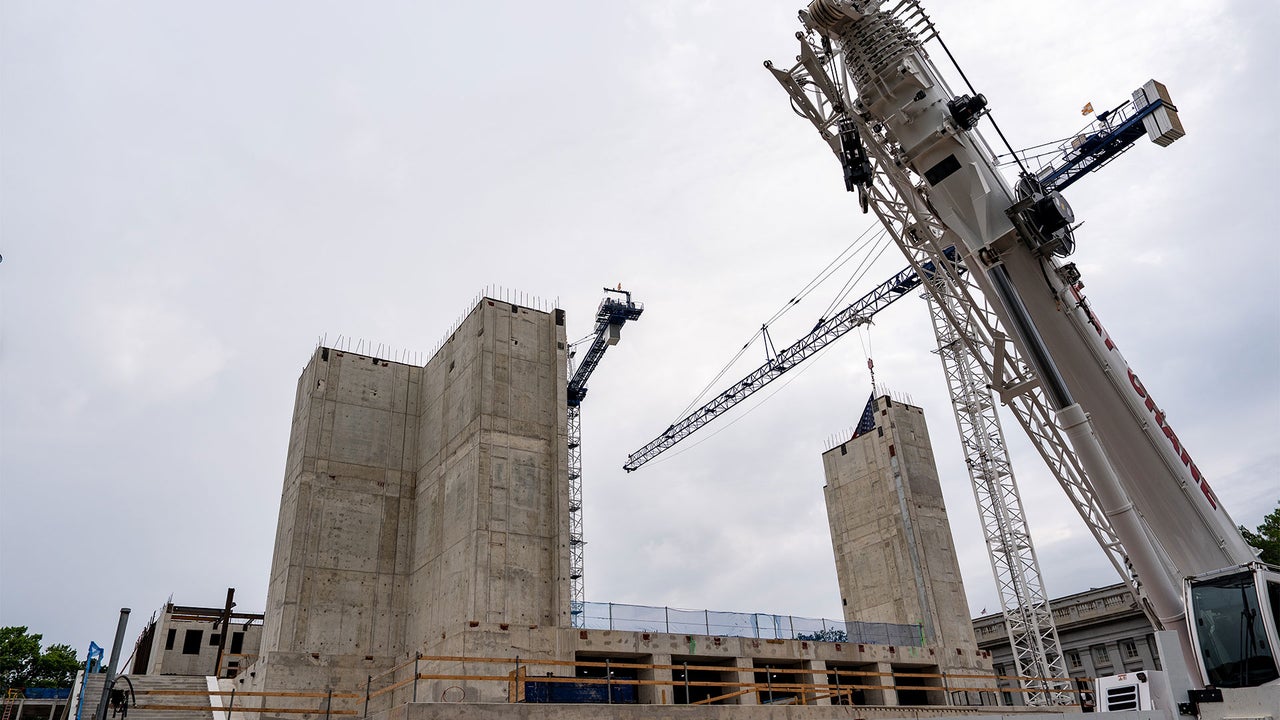
President Donald Trump's plans for a new, armed drone port atop the White House ballroom envision missile-bearing drones and gun-toting troops, ostensibly to protect the complex and the capital.
Several hundred feet away, the U.S. Secret Service operates a drone port equipped with cameras and sensors. Small unmanned aerial vehicles are on standby, ready to be deployed as flying cameras, utilizing a "drone as first responder" model adopted by law enforcement agencies nationwide.
The existence of these surveillance drones could undermine Trump's justifications for the ballroom construction, which he has cited as necessary for national security against aerial attacks. Drone experts have described the more militarized vision as outlandish.
Logistical hurdles also challenge the proposal for a major drone port atop the White House. Questions remain about oversight and de-confliction with commercial airspace. The White House has not commented, and the Secret Service declined to detail its drone operations.