TÜV Report 2026: Tesla Model Y reports highest defect rate
The 2026 TÜV Report indicates that nearly one in five vehicles failed their main inspection. Tesla's Model Y electric car recorded the highest defect rate.
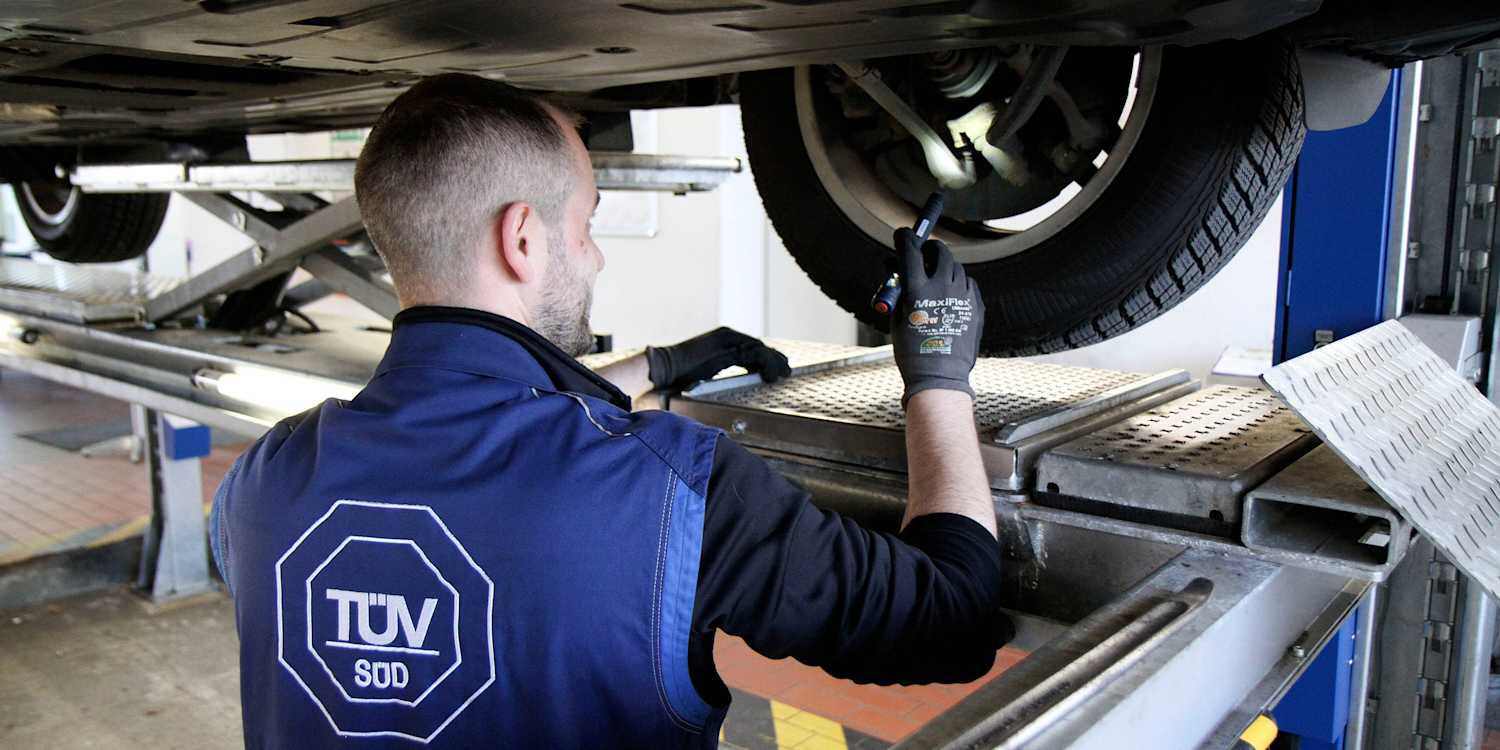
The new TÜV Report for 2026 reveals that 21.5 percent of cars failed their main inspection due to significant or dangerous defects. This marks a 0.9 percentage point increase compared to the previous reporting period. The analysis, which encompasses nearly 9.5 million main inspections conducted between July 2024 and June 2025, highlights the impact of the increasing average age of vehicles on defect rates.
Electric vehicles show varied performance in the report. While the Mini Cooper SE, Audi Q4 e-tron, and Fiat 500e performed well in the two-to-three-year-old category, Tesla's Model Y ranked last. Its defect rate of 17.3 percent, primarily concerning suspension, brake discs, and lighting, is the highest for that age group in a decade. Tesla's Model 3 also continued its downward trend.
The report identified common issues specific to electric vehicles. The significant weight of the battery pack stresses the suspension system, and strong regenerative braking can lead to premature wear or reduced functionality of brake discs. Joachim Bühler, CEO of the TÜV Association, emphasized the importance of regular, firm braking to mitigate these issues.
The overall winner of the 2026 TÜV Report was the Mazda 2, with only 2.9 percent of its two-to-three-year-old models exhibiting significant defects. The report also identified other models with low defect rates in various age categories, including the VW Golf Sportsvan and VW T-Roc.