Type Specimen DNA Sequencing to Enhance Biodiversity Research
Researchers advocate for systematic genome sequencing of type specimens to improve biodiversity research. New technologies allow genetic data extraction without damaging the original samples.
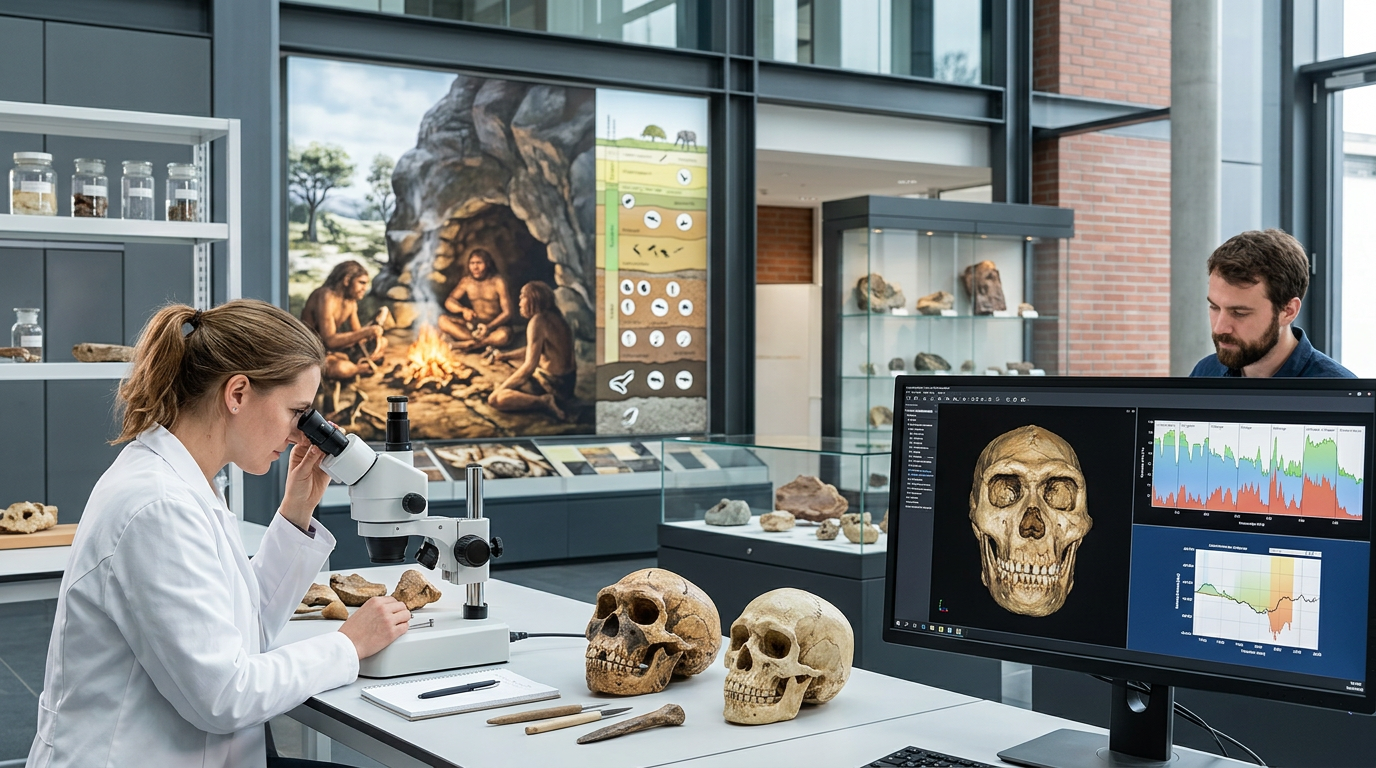
An international research team, including Senckenberg scientist Prof. Dr. Steffen Pauls, is advocating for the targeted genome sequencing of type specimens – the reference samples used to officially describe species. Published in "Systematic Biology," their work highlights the critical importance of deciphering these genetic codes for biodiversity research.
Natural history collections worldwide hold a significant repository of DNA within type specimens, which are essential for species identification and classification. However, many of these irreplaceable specimens are centuries old and fragile, posing risks to their long-term preservation and scientific study.
Advances in sequencing technology now enable the extraction of genetic information from even very old and delicate specimens without causing destruction. The researchers are calling for closer collaboration between collection curators, taxonomists, and genomics experts to harness the potential of "type genomics."
Modern techniques, such as high-resolution imaging and minimally invasive DNA extraction, facilitate the global accessibility of comprehensive data from type specimens without compromising the originals. This approach promises to revolutionize research and safeguard biological knowledge for future generations.