University Survey: AI Shows Potential to Enhance Workplace Accessibility
A new University of Phoenix survey finds over half of AI-using workers see improved accessibility knowledge, but nearly half report unclear organizational policies on AI and accessibility.
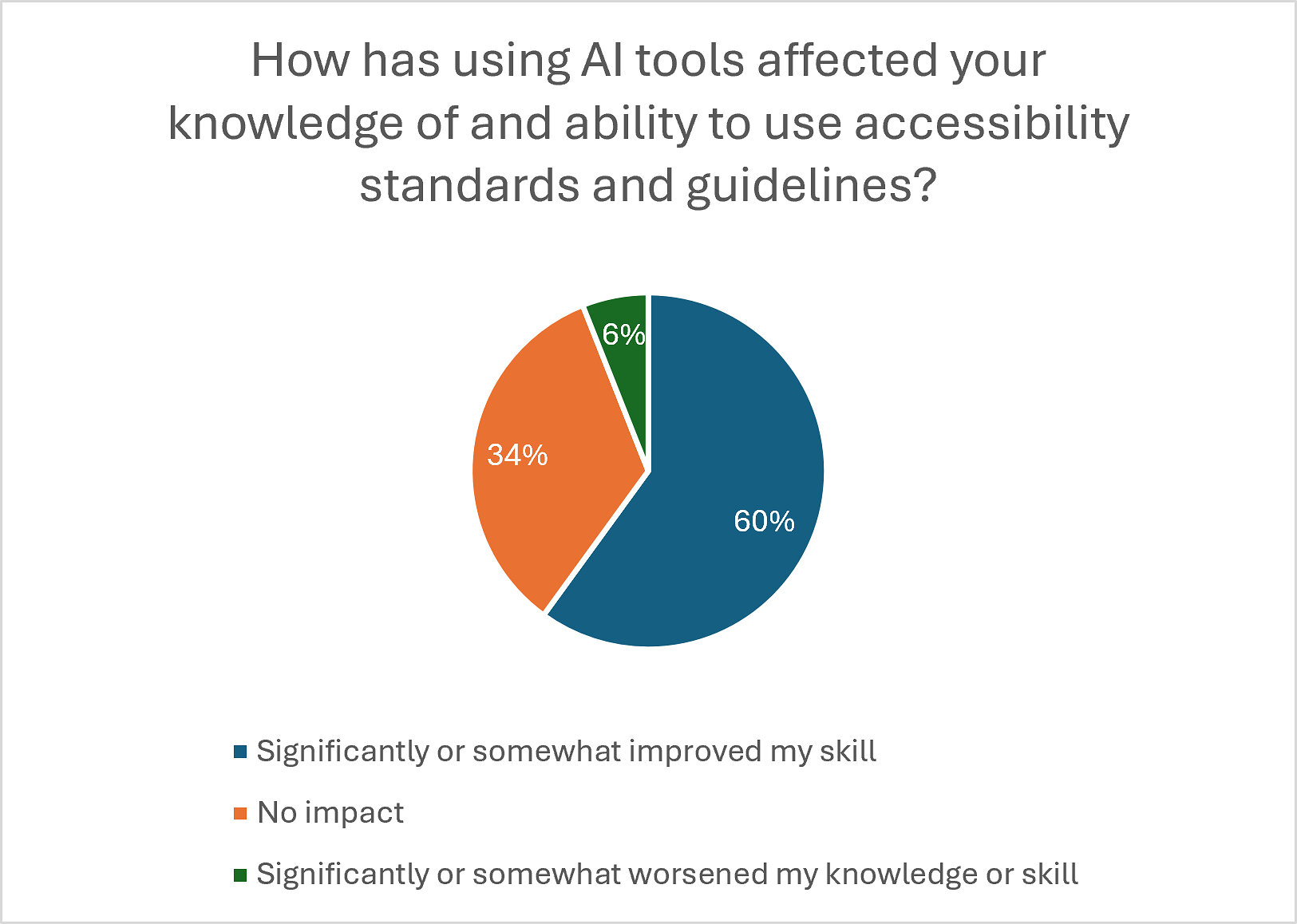
Phoenix, Arizona – As the 36th anniversary of the Americans with Disabilities Act (ADA) approaches, a survey by the University of Phoenix indicates that artificial intelligence (AI) holds significant potential to improve accessibility in both work and learning environments. The study, conducted by The Harris Poll among 1,019 working adults, reveals that a majority of those already using AI at work believe it has enhanced their understanding and application of accessibility standards. A notable finding is that 60% of AI-using respondents reported that AI has improved their knowledge and ability to use accessibility standards and guidelines, with 19% noting a significant improvement. This suggests AI tools are potentially aiding in the creation and adoption of more accessible digital content and practices.
However, the survey also highlights a gap in organizational guidance. Nearly half of respondents (45%) stated that accessibility is either absent from, unclear within, or they are uncertain if it is covered by their employer's AI policies. Furthermore, only about a quarter (27%) of those utilizing workplace AI tools felt that these tools adequately support individuals with disabilities.
The research also emphasized the continued importance of human oversight, with 36% of respondents believing that human review is crucial for AI in high-impact work or decision-making. Universally, 90% of recent working learners identified AI and accessibility skills as valuable assets for their career paths, pointing to a broader recognition of these competencies.