US Administration Considered Political Control Over Scientific Grants
The US administration recently considered increasing political oversight of scientific grants, sparking concern in the scientific community. Scientists fear such interference could lead to a "brain drain" of talent.
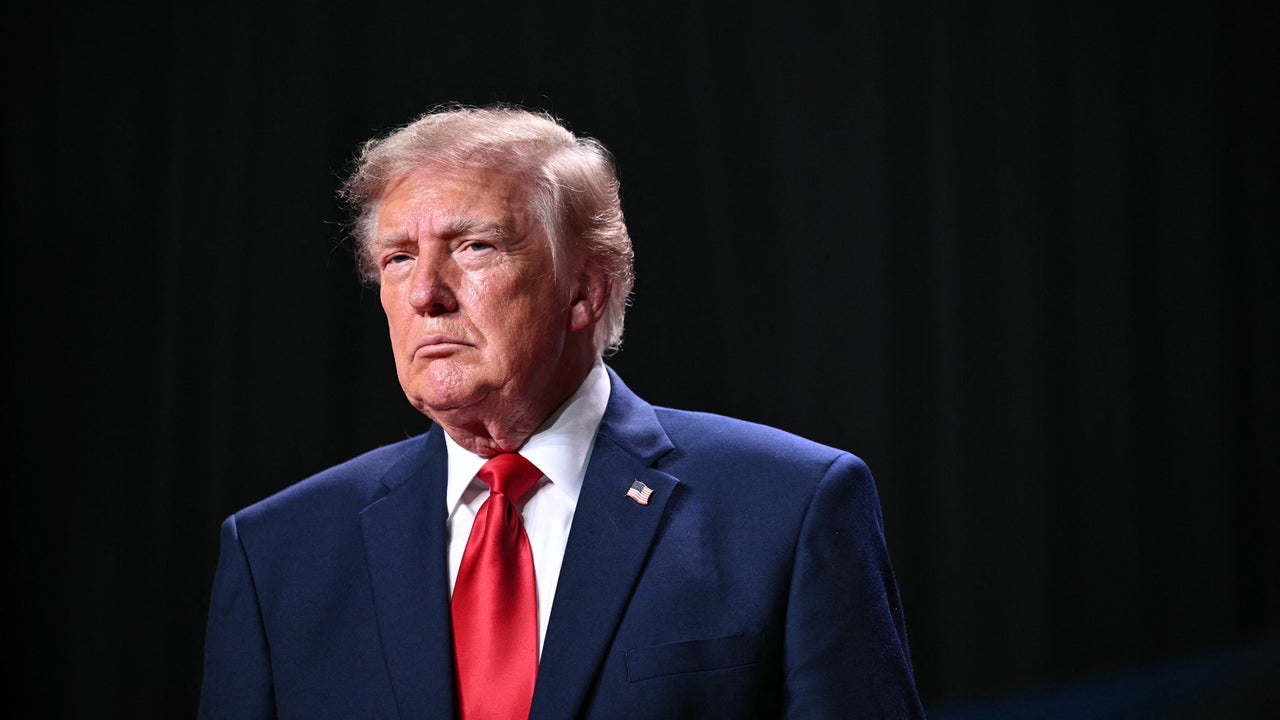
The United States has historically dominated science and technology, a position largely built on federal funding and independent research institutions. Recent reports indicate that the administration had considered increasing political oversight of scientific grants, a move that has generated significant concern within the scientific community.
Scientists and researchers fear that political interference in grant allocation decisions could undermine scientific freedom and potentially lead to a substantial "brain drain" of talent from the country. Historical examples, such as the case of Trofim Lysenko in the Soviet Union, illustrate how the politicization of science can stifle progress and cause long-term damage.
The "Science: The Endless Frontier" report by Vannevar Bush after World War II established the framework for U.S. scientific dominance by emphasizing the importance of basic research and ensuring that funding decisions were made by scientists. The threat to this principle could jeopardize the U.S.'s standing in global science and technology competition.
To maintain leadership in future technological advancements like quantum computing and synthetic biology, it is crucial to preserve an independent, science-driven funding system that shields research from political influence.