US Chipmakers Lead Chiplet Architecture and Heterogeneous Integration
US semiconductor firms are pioneering chiplet architectures for performance scaling beyond Moore's Law. Innovations in 2.5D and 3D packaging are central to this advancement.
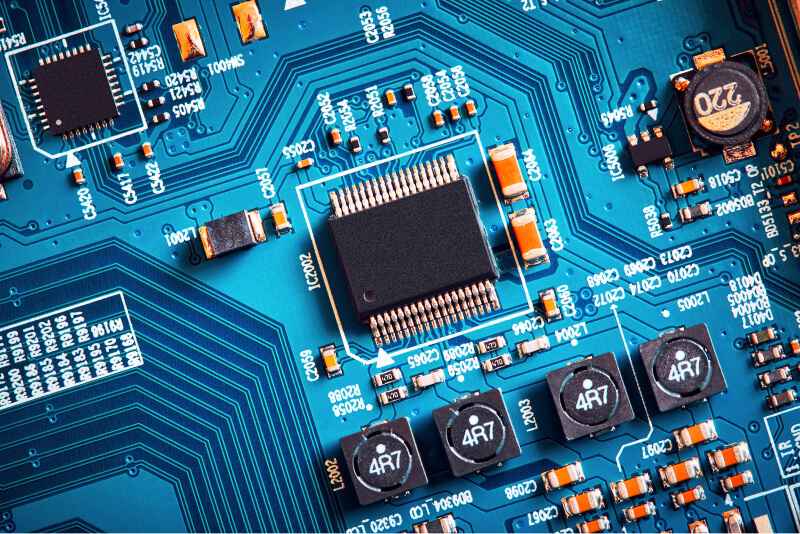
United States-based semiconductor manufacturers are leading the global transition to chiplet architectures and heterogeneous integration. This approach allows for performance scaling beyond the limits of traditional monolithic chip design, with companies like AMD, Intel, NVIDIA, Qualcomm, and Apple at the forefront.
US companies are driving innovation in advanced packaging techniques such as 2.5D and 3D integration. Intel's EMIB (Embedded Multi-die Interconnect Bridge) and Foveros technologies, for instance, enable the efficient connection and stacking of multiple chiplets. These methods reduce costs and improve performance compared to larger, single-die processors.
Heterogeneous integration, which combines different types of chips and memory onto a single package, necessitates advanced assembly and testing capabilities. The integration of High Bandwidth Memory (HBM) is critical for high-performance computing, and specialized facilities in the US, including those operated by Intel and Amkor, are equipped for these demanding processes.
The complexity and precision required for these advanced packaging techniques favor tightly integrated supply chains within the US. This close collaboration between design and assembly ensures quality control and accelerates product development cycles, solidifying the US position in this technological domain.