US Government Can Search Phones Without Warrant at Border
An Argentinian-American writer is suing the federal government to delete data he believes was copied from his phone upon re-entering the US. The case highlights the issue of warrantless phone searches at the border.
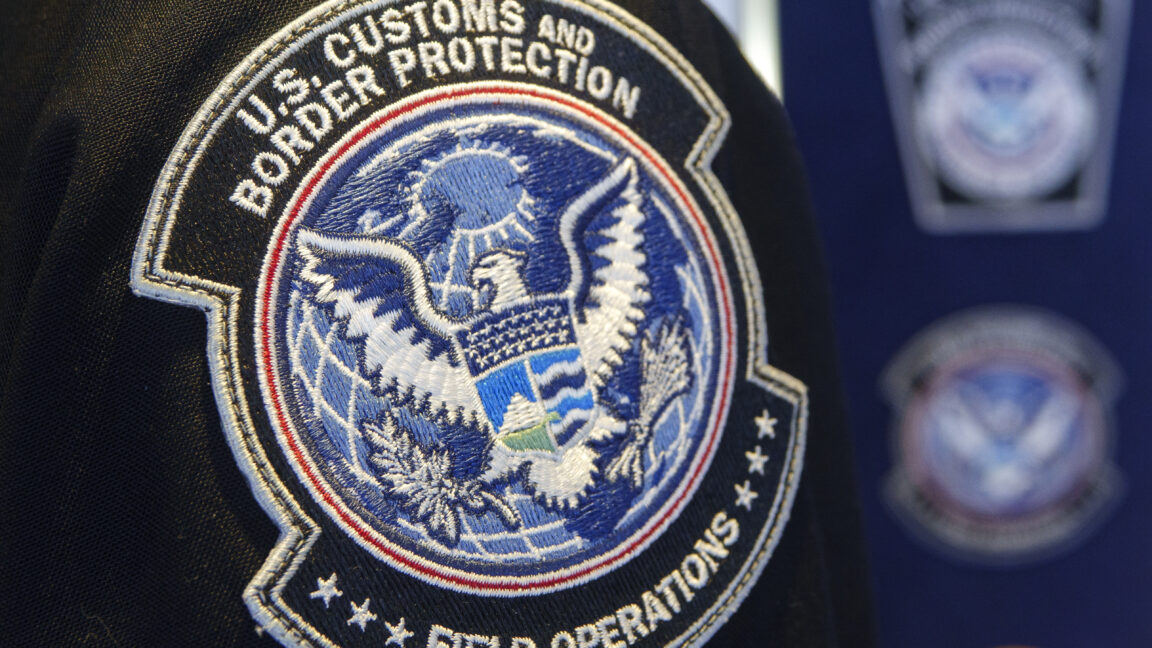
The U.S. government faces a lawsuit challenging the practice of searching mobile phones without a warrant at the border. Argentinian-American writer and immigration advocate Thomas Kennedy is demanding the government delete data he believes was copied from his phone when he re-entered the United States earlier this month.
According to the complaint, a Customs and Border Protection (CBP) agent at Miami International Airport physically searched Kennedy's bags, questioned him about his reading materials, and then demanded he hand over his phone. Kennedy states he felt he had no choice but to comply.
The case brings attention to the broad authority U.S. border officials possess to search travelers' devices, including smartphones and tablets, without needing a warrant. While searches are permitted, the scope and legality of data copying remain contentious points.
Kennedy is seeking a court order for the deletion of all data copied from his phone, arguing that such collection without probable cause violates his privacy and constitutional rights.