US Inflation Eased to 3.4% in July, but Energy Prices Remain High
U.S. inflation slowed to 3.4% in July from a year earlier, but remains higher than pre-war levels. Core inflation also cooled, suggesting limited impact from rising energy costs.
U.S. inflation moderated in July, with consumer prices rising 3.4% year-over-year, a slight decrease from June's 3.5% rate. While this slowdown could ease pressure on the Federal Reserve to raise interest rates, overall inflation remains above pre-war levels from February, when it stood at 2.4%. The report indicated a monthly price increase of just 0.1% from June to July.
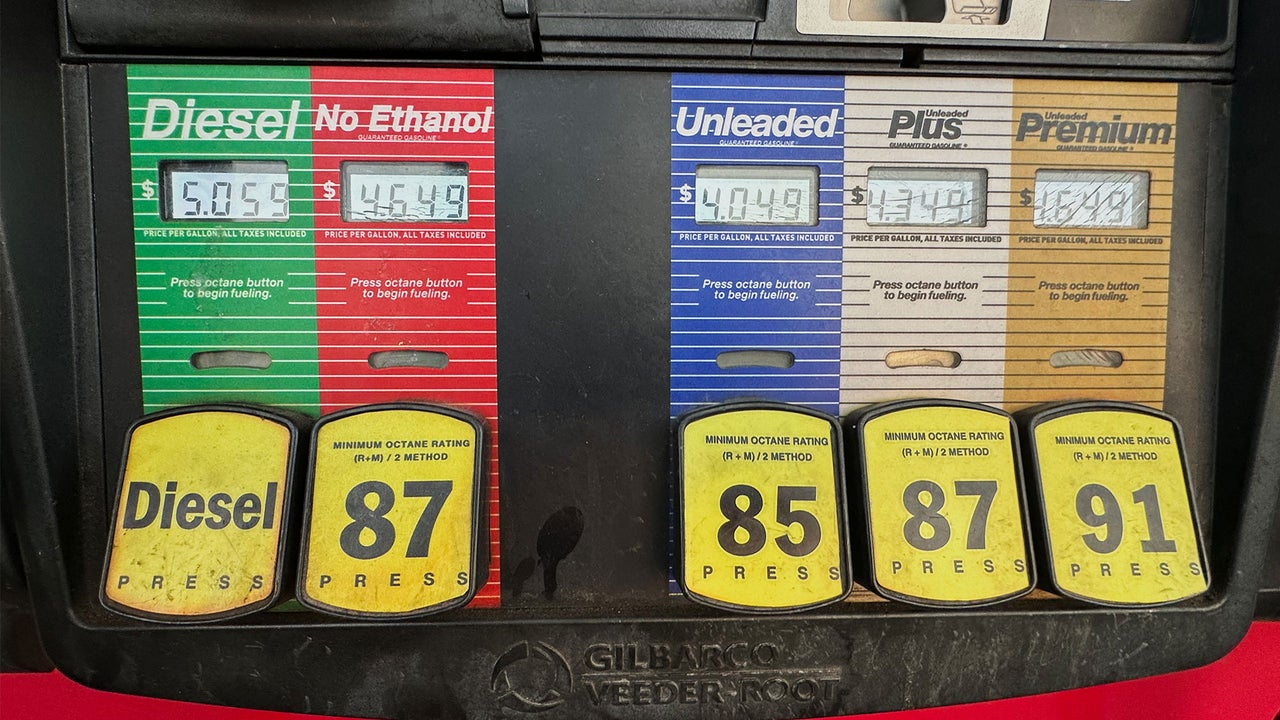
Core inflation, which excludes volatile food and energy prices, also declined to 2.5% year-over-year in July, down from 2.6% in June. This figure matches a post-pandemic low seen earlier in the year. However, elevated oil and gasoline prices suggest that overall inflation could accelerate in the coming months, with average gas prices reaching $4.04 per gallon nationwide.
The inflation figures are influenced by various factors, including trade tariffs, higher energy costs due to geopolitical events, and increased spending on artificial intelligence infrastructure impacting semiconductor prices. The Federal Reserve faces a challenge in determining whether these are temporary shocks or precursors to persistent inflation. The central bank remains divided on its next monetary policy move.
While some prices, such as gasoline and groceries, saw modest declines in July, other costs, including computer prices and airline fares, have risen. Services inflation, though slowing, remains a concern as it often reflects wage pressures. Economists are seeking more data to forecast future inflation trends amidst an evolving economic landscape.