US Senate Approves Bill to Eliminate Penny, Affecting Retail Pricing
The US Senate has passed the Common Cents Act, paving the way to eliminate the penny. The legislation will allow businesses to round cash transactions to the nearest nickel.
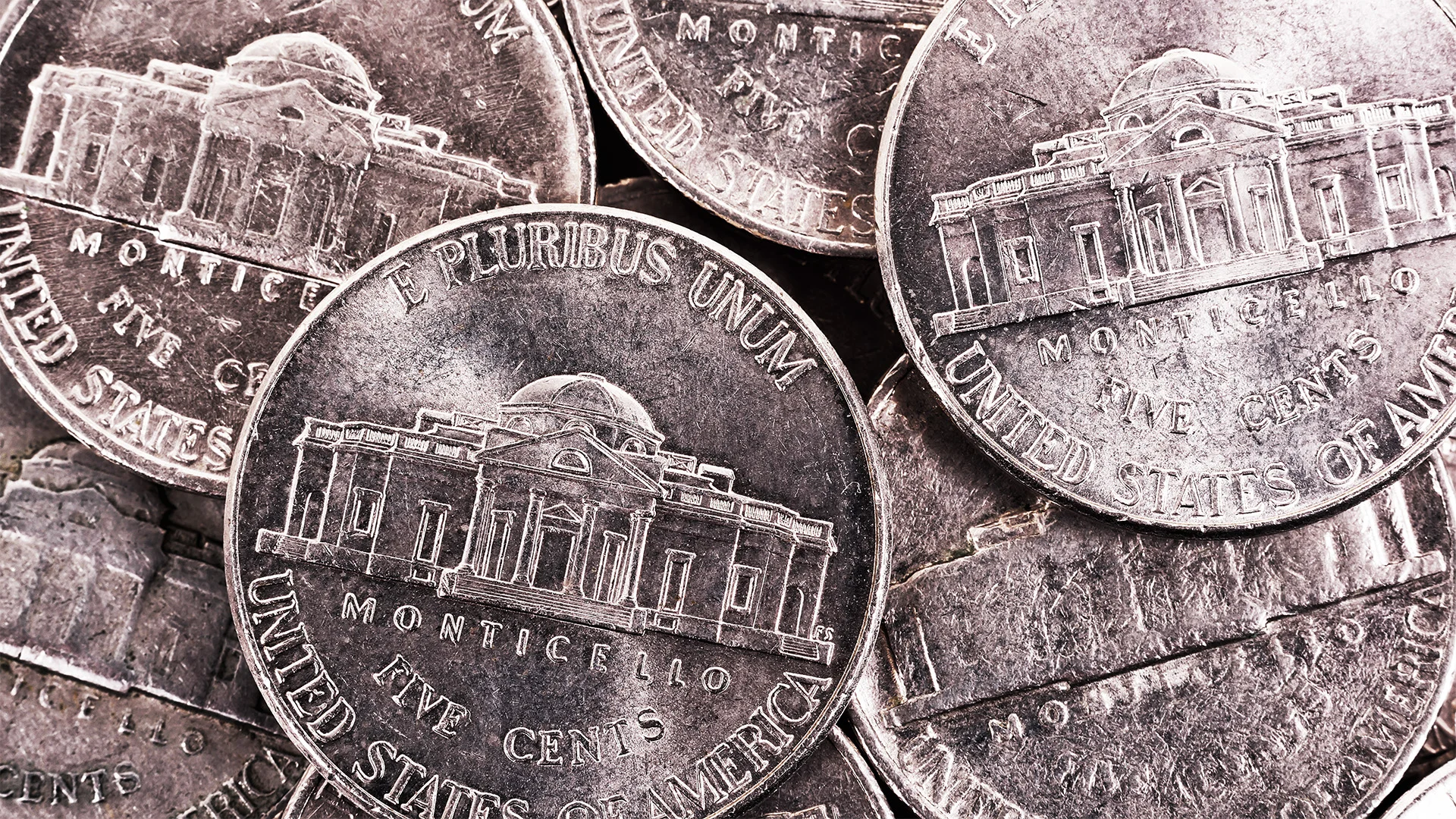
The United States is moving to phase out the penny as the Senate has approved the Common Cents Act, a bill that will permanently end the production of the one-cent coin. The legislation, which now heads to the President's desk for signature, will establish a national framework for rounding cash transactions.
Under the new law, businesses will be permitted to round cash payments up or down to the nearest nickel. This rounding will not apply to non-cash payments, such as credit card transactions, which will retain their exact prices.
Some business owners have expressed concerns about the change. Vic Christopher, president and owner of Clark House Hospitality, noted that customers are accustomed to prices ending in .99 cents. He believes that rounding prices might result in unattractive figures, such as $12.93 for a bowl of spaghetti after tax.
The debate over eliminating the penny has persisted for decades, largely driven by the cost of production. It costs nearly four cents to mint a single penny, making its continued circulation economically inefficient. The rationale behind traditional pricing strategies, like ending prices in .99, is rooted in psychological effects, such as the 'left-digit effect,' which can influence consumer perception and purchasing behavior.