US States Increasingly Restrict New Data Centers
New York has enacted a one-year ban on new large data centers, becoming the first state to do so. The move responds to growing concerns over energy demand and water usage.
New York has become the first U.S. state to implement a one-year ban on new data centers exceeding 50 megawatts. The executive order aims to give the state government time to develop regulations for challenges posed by the facilities' energy consumption and water use.
Governor Kathy Hochul stated that action was necessary due to concerns about rising utility bills, depletion of natural resources, and uncertainty for New Yorkers. She also seeks to repeal tax exemptions currently offered to large data centers.
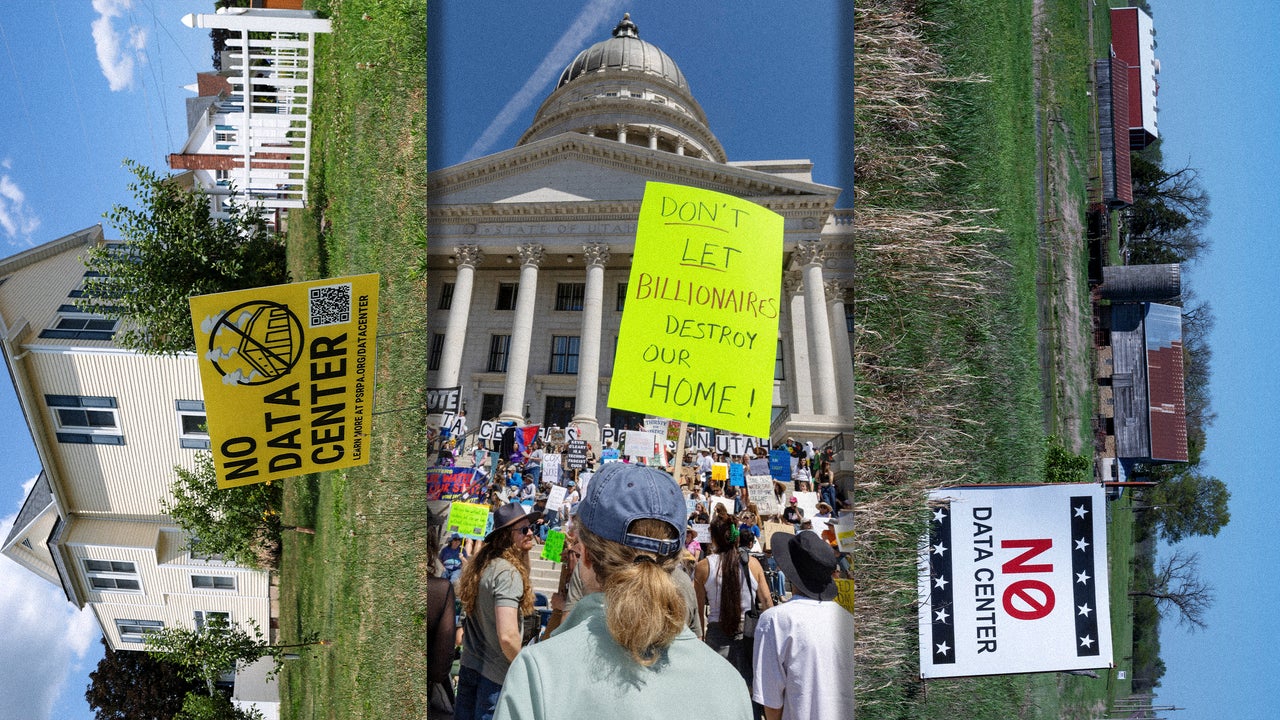
This action in New York reflects a broader trend across the U.S., where numerous states and cities are imposing restrictions on data center development. Measures include zoning limitations, moratoriums, and outright bans, driven by concerns over infrastructure strain and environmental impact. For example, Arizona has passed a law to prevent data center grid costs from being passed on to other ratepayers.
Several other states are also enacting or considering similar measures. California's Monterey Park has a permanent ban, Florida requires data centers to cover their full service costs, and states like Georgia and Iowa have local moratoriums in place. Nationwide, opposition is mounting, with projects valued at approximately $130 billion facing delays or stoppages in the first quarter of the year.