Using Solar Power: When a Battery Storage System Is Truly Worthwhile
Rising electricity prices and sunlight prompt questions about the profitability of battery storage for solar power. These systems allow for the use of self-generated electricity even in the evenings.
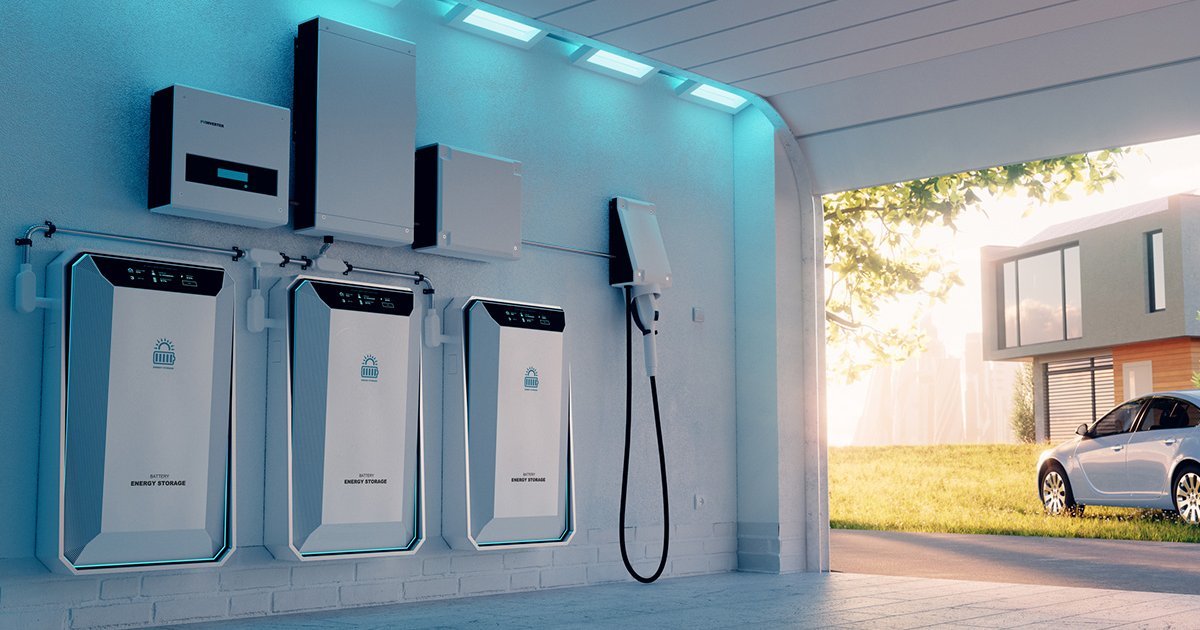
Berlin – With electricity prices on the rise and abundant sunlight, more homeowners are considering battery storage systems to complement their solar panel installations. These systems enable the use of self-generated solar power even after sunset, reducing reliance on expensive grid electricity.
Battery storage systems, typically utilizing lithium-ion technology, store electricity produced by solar panels during the day. This stored energy can then be utilized during evening hours or periods of low sunlight. The systems are integrated with the solar array and inverter, with modern solutions automatically managing energy flow and providing users with app-based insights into consumption, storage, and grid feed-in.
The costs associated with battery storage systems have decreased in recent years, though they remain significant. Small systems of approximately 5 kWh start around €5,000, while larger systems ranging from 12 to 15 kWh can cost up to €15,000. Regional subsidies may be available, and the cost-effectiveness can be improved by combining battery acquisition with a new solar panel system for increased self-consumption.
A battery storage system is particularly beneficial for households that already have or plan to install solar panels. High self-consumption, such as from remote work, heat pumps, or electric vehicles, coupled with high electricity purchase prices, strengthens the case for investment. The payback period for these systems typically ranges from 10 to 14 years, indicating a long-term financial commitment.
For new constructions or renovations, planning solar panels, battery storage, and heat pumps as an integrated system is advisable. These components complement each other effectively, also in anticipation of future energy efficiency regulations. While not a budget purchase, battery storage offers increased energy independence and potential long-term savings on electricity bills.