VET Energy Supplies High-Purity Graphite for Silicon Wafer Production
Ningbo VET Energy Technology Co., Ltd. has supplied ultra-high purity graphite components for 32-inch thermal fields used in N-type silicon wafer manufacturing. The solution significantly improves silicon quality and production capacity.
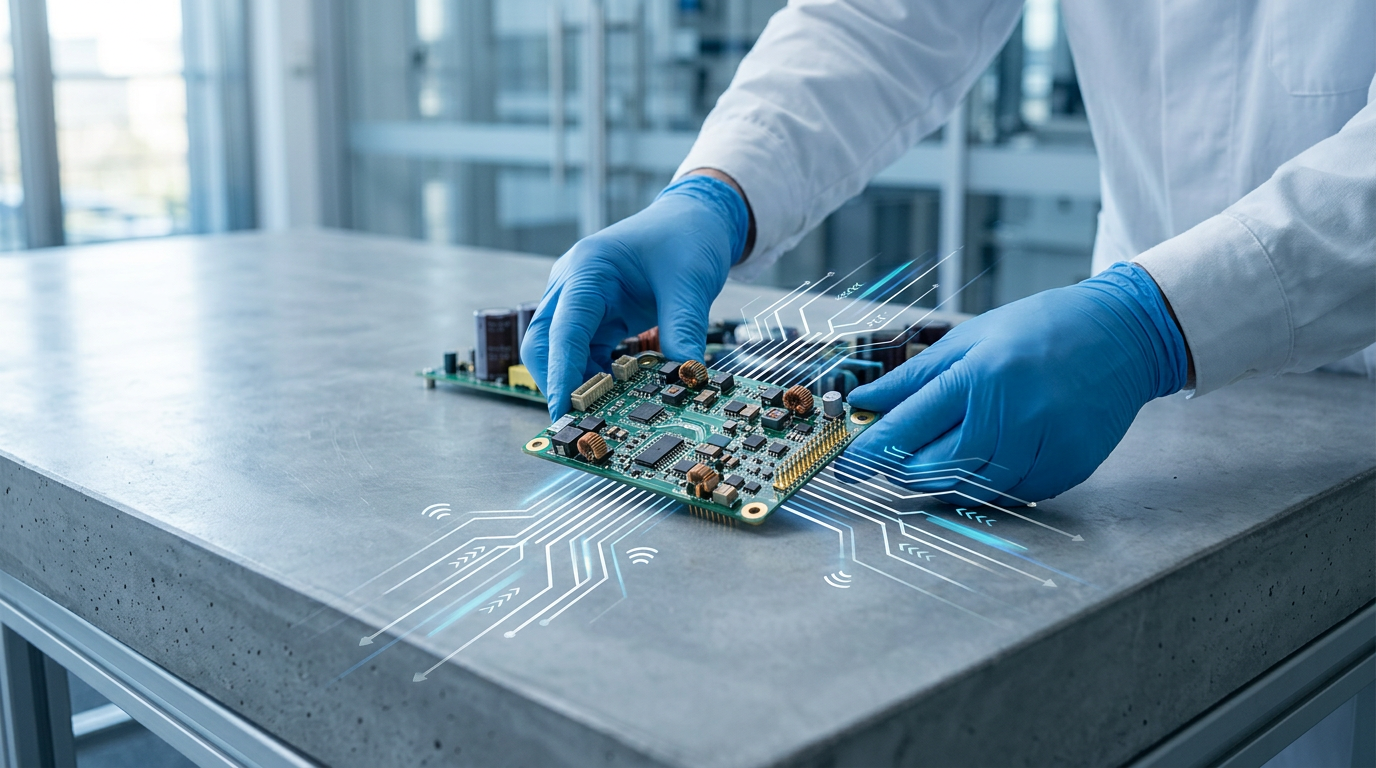
Chinese manufacturer Ningbo VET Energy Technology Co., Ltd. has developed and supplied high-purity graphite for use in 32-inch thermal fields within the solar PV and semiconductor industries. These components are specifically engineered for N-type silicon ingot growth processes, which demand exceptionally high silicon purity.
The transition to larger, 32-inch thermal fields for increased throughput presents significant engineering challenges, particularly at temperatures exceeding 1,450°C. Standard graphite components are susceptible to thermal degradation and deformation. Furthermore, trace impurities within conventional graphite can vaporize at high temperatures, contaminating the molten silicon and severely impacting the minority carrier lifetime of the resulting silicon wafers.
VET Energy's solution utilizes isostatic graphite subjected to a deep halogen purification process. This proprietary method transforms metallic impurities into volatile halogen compounds, reducing the graphite's ash content to between 2-5 ppm. Additionally, critical components are coated with a protective layer of Chemical Vapor Deposition (CVD) silicon carbide (SiC). This coating acts as a barrier against silicon vapor and corrosive gases, preventing reactions with the graphite substrate and extending component lifespan.
According to the company, field trials conducted on 50 furnaces demonstrated substantial performance gains. The minority carrier lifetime of the silicon wafers increased from below 100 μs to over 380 μs. The yield of silicon ingots improved by 18%, and the lifespan of the thermal field components extended by 30%. These improvements are crucial for enhancing the efficiency of N-type solar cells and reducing overall manufacturing costs.