VinFast: What Makes a Better Transport System as Electric Vehicles Become More Prevalent
Europe has spent over a decade accelerating the transition to electric mobility. Now, the question is how to build a transport system that is not only cleaner but also better for people.
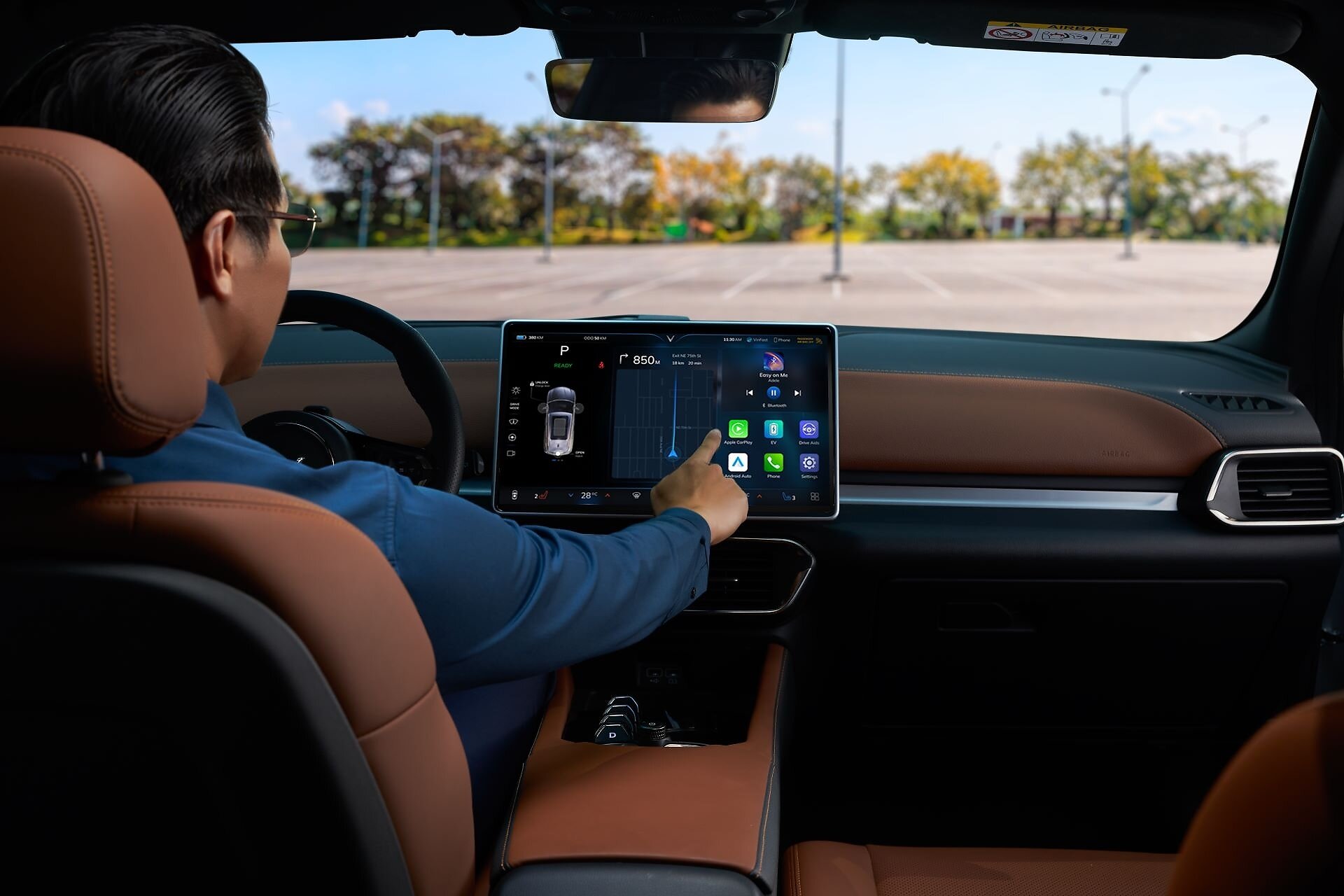
Europe has established itself as a leader in sustainable mobility over the past decade, with electric vehicles (EVs) becoming increasingly common and charging infrastructure continuously expanding. This shift has significantly contributed to the European Union's climate goals.
As electrification matures, the focus is evolving. The initial challenge was replacing internal combustion engines with zero-emission alternatives. The next, more complex challenge involves creating a transport system that is more efficient, accessible, and better integrated into people's daily lives. The European Commission's new urban mobility framework emphasizes not just decarbonization but also accessibility, inclusion, safety, and quality of life.
EVs are projected to constitute a significant portion of new car registrations in the EU, positioning Europe as a leading EV market globally. Electrification is transitioning from a competitive advantage to a common baseline. Differentiation is increasingly based on the overall mobility experience rather than just the vehicle itself, with consumers valuing comfort, reliability, and seamless integration of different transport modes.
Creating a better mobility system requires a multimodal approach, as no single mode can meet all urban needs. Companies are now focused on integrating vehicles, infrastructure, and mobility services into a cohesive ecosystem. VinFast, for instance, is developing an integrated mobility ecosystem by combining its EVs, electric buses, charging infrastructure, and green mobility services to enhance the urban transportation experience and create more sustainable solutions.