Vivodyne scales "biological datacenter" for drug development
Startup Vivodyne is developing a new model for drug testing using human tissue and AI, aiming to replace animal testing. The goal is to reduce the high failure rate of clinical trials.
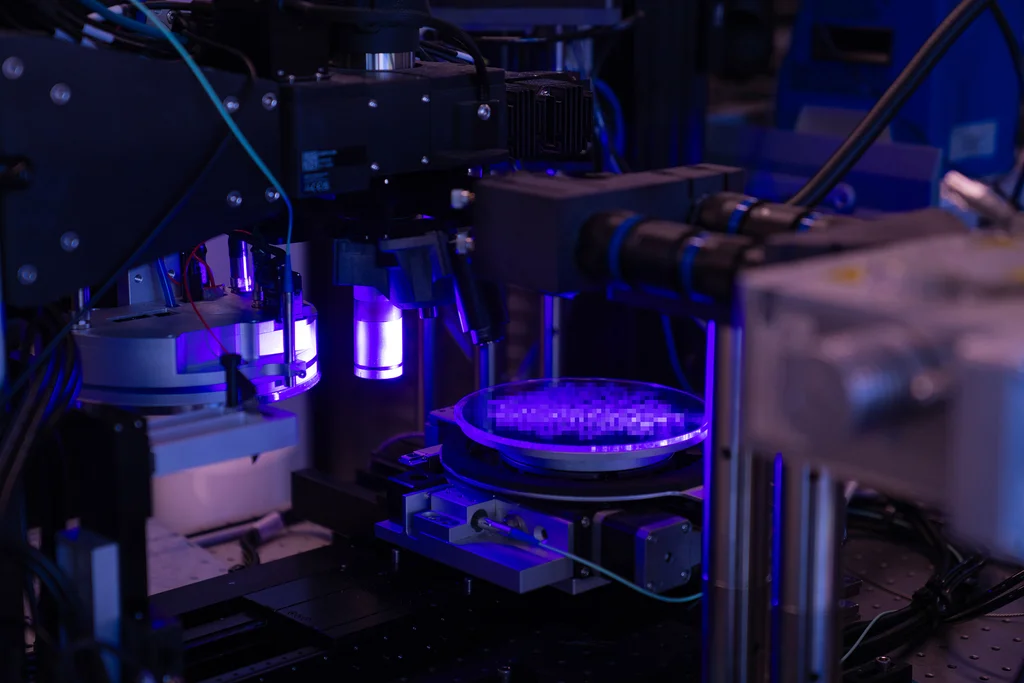
Vivodyne, a startup with a laboratory south of San Francisco, is developing an alternative to traditional drug development that relies on animal testing. The company's "biological datacenter" utilizes robotics and AI to grow human tissues and run thousands of experiments aimed at better predicting drug efficacy and safety in humans.
Currently, around 90% of clinical trials fail despite a drug having passed animal testing. Vivodyne CEO Andrei Georgescu states that the company's system, comprising dozens of robotic laboratories, can conduct over three million controlled trials on human tissues annually. This capacity is double that of all clinical trials in the U.S. combined.
The process begins with human cells, which are grown on "biological chips" to self-assemble into living tissues. These tissues mimic the function of organs such as the liver or kidneys. The automated system can dose tissues with drugs, perform gene knockouts, and analyze results using AI, which continuously designs new experiments based on the data.
Vivodyne's platform allows for the simultaneous testing of thousands of different drug candidates across various human tissue types. The company is already collaborating with major pharmaceutical firms, and its technology has helped halt the development of potentially unsafe drugs and optimize targeting for new therapies. Georgescu believes that animal testing will rapidly decrease in significance as human tissue testing becomes more prevalent.