Volleyball's Evolution: From YMCA to the Olympics
Originating from the YMCA in 1895, volleyball has evolved into a global sport, culminating in its inclusion in the Olympic Games.
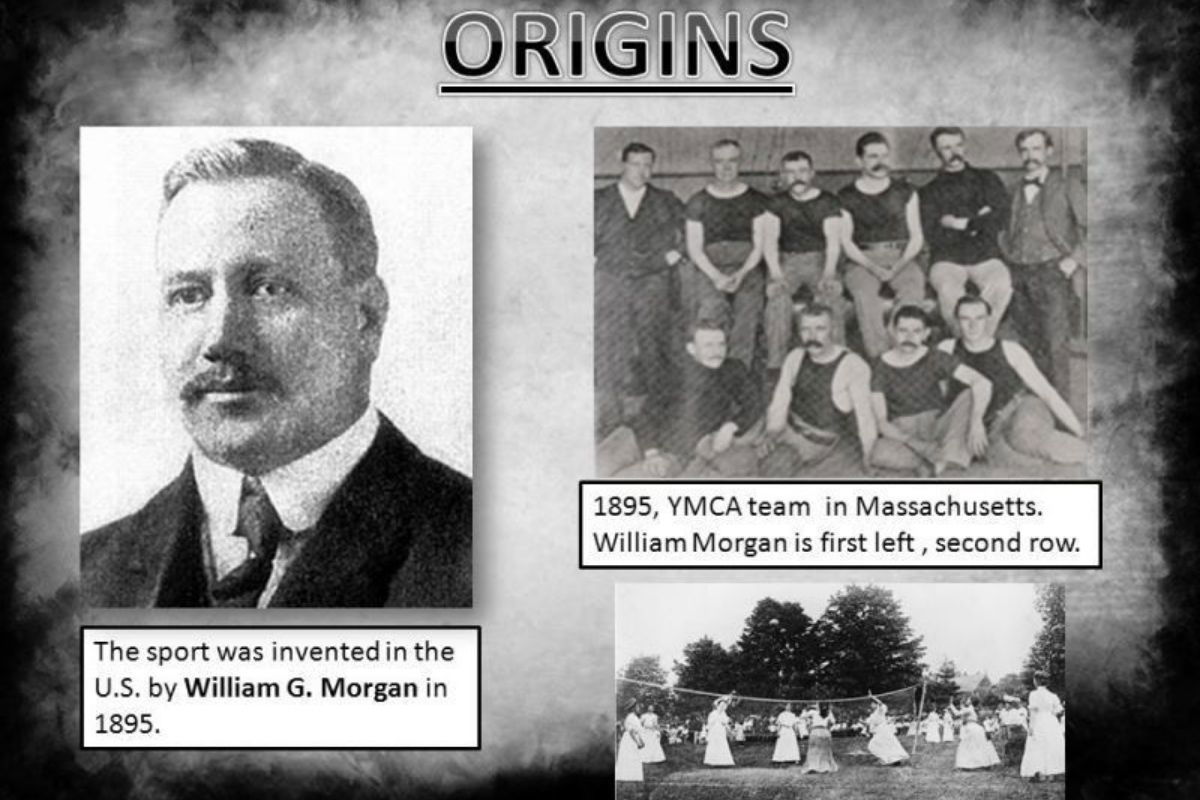
Volleyball's origins trace back to 1895 in Holyoke, Massachusetts, when YMCA physical director William G. Morgan sought a less strenuous alternative to basketball for businessmen. Morgan devised a new indoor game, "Mintonette," focused on volleying the ball over a net without letting it touch the ground. The game quickly gained traction and was renamed "volleyball" in 1896.
Early rules differed significantly from modern play, with no limit on the number of players per side. Over time, the game's regulations evolved, incorporating elements like the "set" and "spike" techniques developed in the Philippines around 1916, adding an offensive dimension. The YMCA's extensive international network facilitated the rapid global spread of volleyball, with the sport included in the Far Eastern Championship Games in Manila as early as 1913.
World War I further propelled volleyball's popularity across Europe through soldiers' recreational activities. Post-war, it remained a common military pastime, increasing the demand for organized play and standardized rules. This led to the establishment of the Fédération Internationale de Volleyball (FIVB) in Paris in 1947 to govern and advance the sport internationally.
Volleyball officially joined the Olympic program at the 1964 Tokyo Games and has since become a highly competitive event. Concurrently, beach volleyball emerged, originating in Hawaii in 1915 and gaining momentum in California during the 1930s and 1940s. Beach volleyball made its Olympic debut in Atlanta in 1996.