Voters Reject Data Center Expansion Across the United States
Local election results across the U.S. signal growing opposition to data center construction, with voters moving to ban or restrict AI infrastructure projects in their communities.
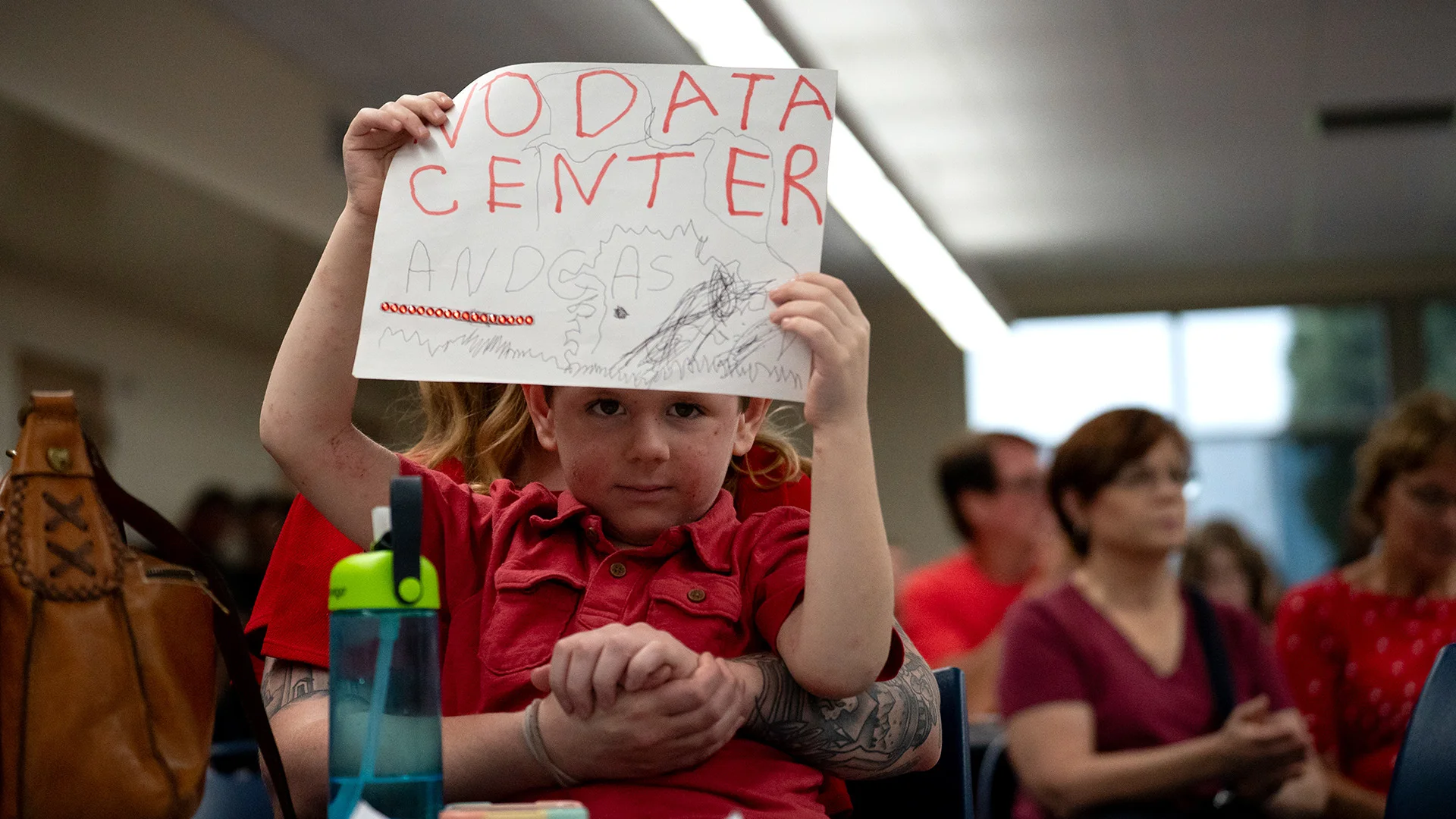
U.S. voters utilized the recent midterm elections to express significant opposition to data center development. In numerous jurisdictions, residents voted to approve measures that either pause construction, impose strict zoning limitations, or outright ban new data center facilities.
Ohio, currently the fifth-largest state for active data centers, served as the primary battleground for these issues. Brookings Institution senior fellow Darrell West noted that the localized opposition in Ohio is representative of a broader national sentiment. While the state has prioritized attracting AI investment through its skilled labor market and grid access, community concerns regarding the scale and impact of these facilities have shifted the political landscape.
Specific legislative actions, such as the 25-megawatt limit imposed by voters in Defiance, Ohio, underscore the trend. Similar resistance has surfaced in Sunbury, where community backlash has hampered Amazon’s plans for a $2 billion campus. As companies seek to invest billions in the region, the outcome of these ballot measures suggests that future development will face increasing regulatory and public scrutiny.