Washington D.C. Enacts Strong Consumer Protections for Concert Ticket Resales
Washington D.C. has passed legislation aimed at strengthening consumer protections in the secondary ticket market. The "RESALE Act" introduces a price cap on resold tickets and bans speculative sales.
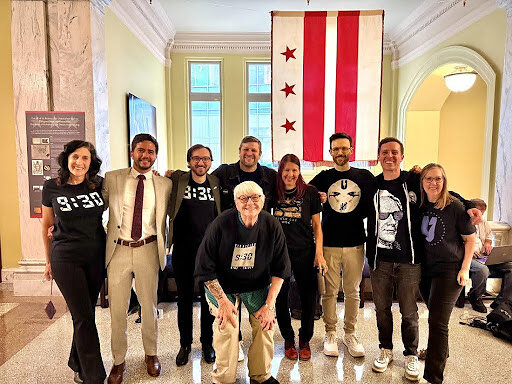
Washington D.C. has enacted new legislation to enhance consumer protections for concert tickets, establishing some of the nation's most comprehensive resale laws. The "RESALE Act," unanimously approved by the D.C. Council, aims to curb predatory ticketing practices and ensure fairer access to live entertainment.
The legislation imposes a 10% cap on the resale price of tickets, effectively limiting price gouging in the secondary market. It also prohibits speculative ticket sales, meaning it is now illegal to advertise or sell tickets that the reseller has not yet acquired. Professional resellers selling 50 or more tickets annually will be required to register with the District, increasing oversight.
Further provisions in the act mandate full transparency in ticket pricing, requiring clear itemization of base costs and mandatory fees. The law also bans "surveillance pricing," which uses consumer data to manipulate prices. Industry groups, including I.M.P. and the National Independent Venue Association (NIVA), have lauded the move as a critical step for protecting fans and supporting local venues.
Councilmember Charles Allen, the bill's author, stated that the act addresses the "wild west" environment created by ticket resellers. He expressed optimism that other jurisdictions will follow D.C.'s lead, noting the potential for the law to keep more money within the local economy. Seth Hurwitz, owner of I.M.P., which operates venues like the 9:30 Club, criticized resellers for hoarding tickets and creating artificial scarcity, arguing it deviates from free market principles.
The "RESALE Act" is designed to put fans first by preventing excessive markups and deceptive practices, thereby making live entertainment more accessible. This legislative action is anticipated to benefit not only consumers but also the ecosystem of independent venues and artists within Washington D.C.