Washington D.C.'s Appearance Has Always Been a Political Battleground
The visual presentation of Washington D.C. and its development have historically been sites of political contestation. Current plans for the U.S.'s 250th anniversary continue this long tradition.
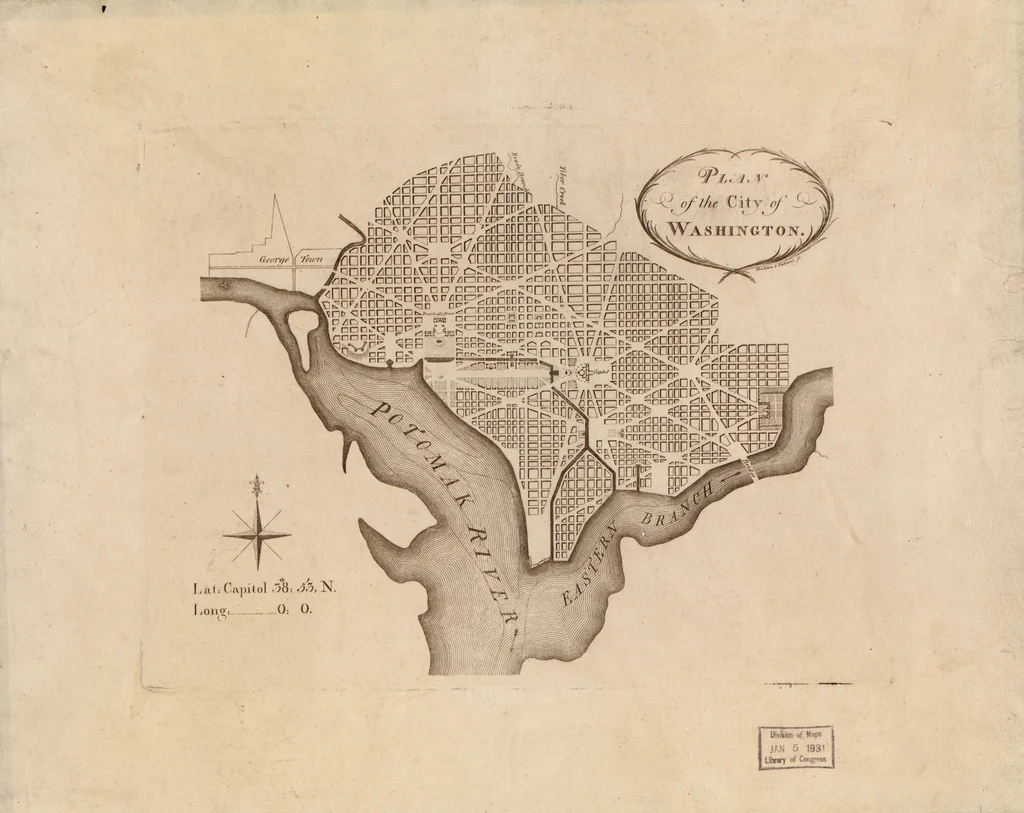
The visual presentation of Washington D.C. and its development have historically been sites of political contestation, a trend that continues as the U.S. prepares for the 250th anniversary of the Declaration of Independence.
The city's design began with Pierre Charles L'Enfant's vision in 1791, aiming to create a capital city that would communicate national grandeur through its imposing appearance. The city's grid layout and the connection of key buildings like the White House and the Capitol via sightlines ensured the city "might be advantageously seen from twenty miles off."
Throughout history, the city's image has reflected the nation's state. Early illustrations depicted an unfinished construction site, while others portrayed the reality of slavery in the shadow of the Capitol, highlighting the chasm between the nation's ideals and its lived experience.
Abraham Lincoln understood the symbolic significance of the Capitol and its ongoing dome construction. He ensured work continued during the Civil War, stating it signaled the Union's continuation. The completion of the dome and the Statue of Freedom in 1863, symbolizing national reunification, was celebrated with a 35-gun salute.
Today's development projects and discussions surrounding the city's appearance, such as the approaching 250th anniversary, demonstrate that Washington D.C.'s significance has always extended beyond being a mere administrative center, intrinsically linked to its capacity to represent and symbolize American values and aspirations.