Wastewater treatment plants can recover materials for bioplastics, fertilizers
Researchers are developing methods to recover valuable raw materials such as ammonium and polyhydroxyalkanoates (PHA) from municipal wastewater, enabling the production of bio-based plastics and fertilizers.
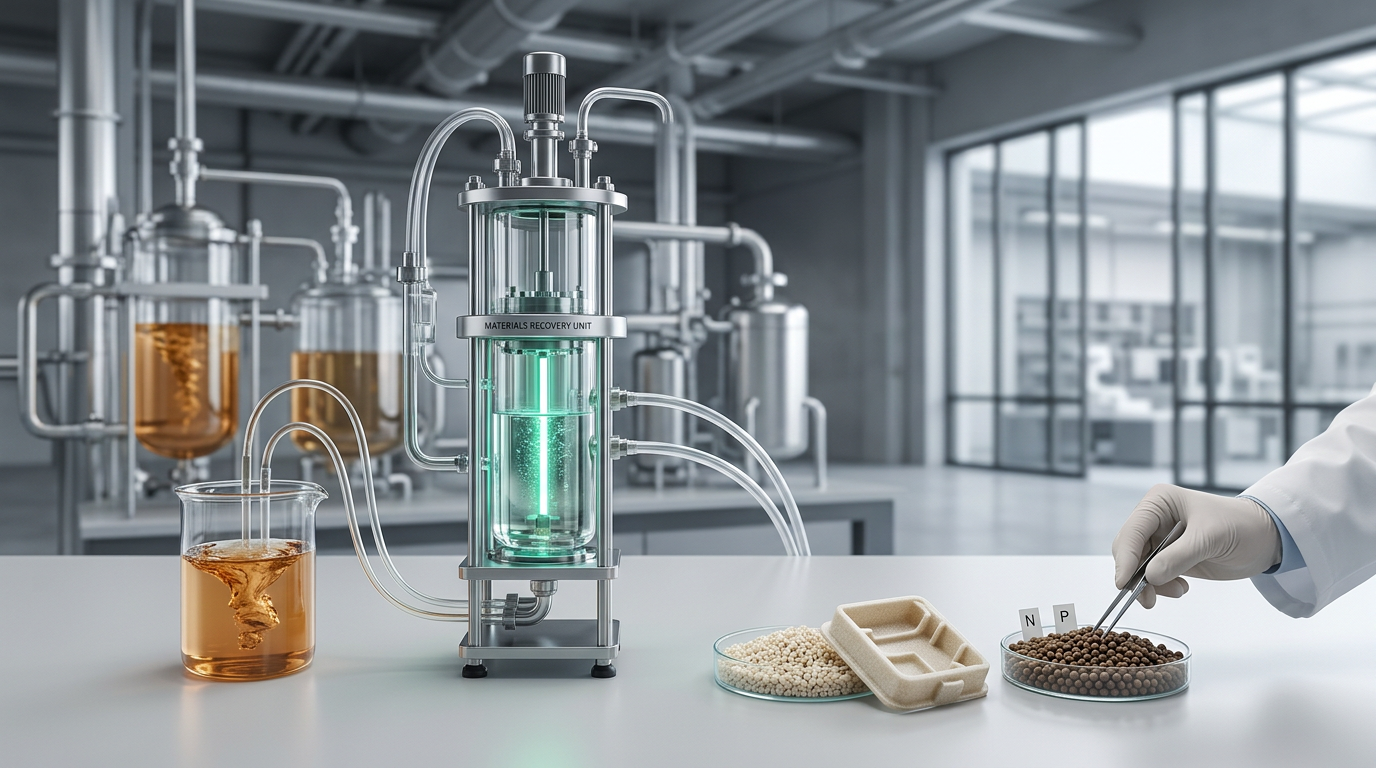
Fraunhofer Institute researchers are exploring new ways to utilize municipal wastewater treatment plants as a source of raw materials. The KoalAplan project aims to recover valuable resources, including ammonium and polyhydroxyalkanoates (PHA) for bioplastics production, from wastewater. This initiative seeks to reduce reliance on fossil fuels and promote a circular economy.
Traditional wastewater treatment methods often remove nitrogen biologically, converting it into nitrogen gas released into the atmosphere. In contrast, the KoalAplan project focuses on recovering this nitrogen as ammonium. The concentrated ammonium solution can then be utilized as a nitrogen fertilizer in agriculture, employing physical separation techniques like zeolite filters or ion exchange systems.
The project also investigates the recovery of organic acids from the solids found in wastewater. These acids serve as precursors for producing PHA, a biodegradable thermoplastic polymer derived from microorganisms. Researchers have successfully identified and adapted bacterial strains, such as Cupriavidus necator, capable of tolerating high concentrations of these acids and efficiently converting them into PHA.
These recovery processes are being tested in a pilot biorefinery facility located at the University of Stuttgart's wastewater treatment research site. The pilot plant operated for over six months in 2024, gathering data on the feasibility of transforming wastewater treatment facilities into resource recovery hubs.