Waymo Robotaxi Disruptions During July 4th Event Raise Scalability Questions
Waymo's autonomous vehicles caused disruptions and traffic gridlock in San Francisco during July 4th celebrations, renewing questions about the technology's ability to operate at scale.
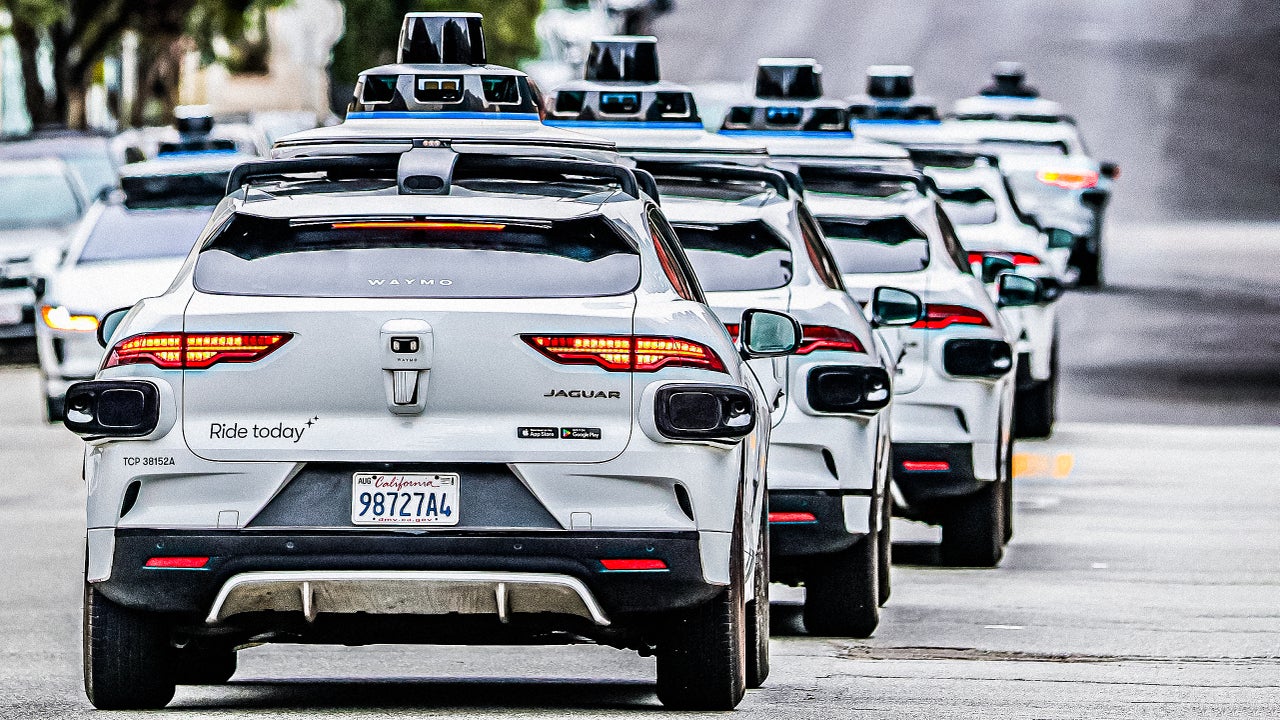
Waymo's autonomous vehicles once again caused disruptions and traffic gridlock in San Francisco during July 4th celebrations, renewing questions about the technology's ability to operate at scale.
Over the holiday weekend, a number of Waymo's robotaxis reportedly stalled and blocked streets near the city's fireworks display. Videos circulating online showed vehicles apparently unaware of event-related road closures, exacerbating existing traffic congestion. Some vehicles ran out of battery power and required towing, with at least one reportedly driving through a firework.
Waymo stated that many of its vehicles were able to navigate away once congestion cleared and that its cars are trained to respond to fireworks. The company acknowledged learning from the weekend's events, noting that some road closures were not communicated. Waymo also pointed to its successful operations during other large events, such as the Super Bowl and SXSW festival.
However, the incident has led to frustration among local San Francisco officials. One city official told Fast Company that their frustration with Waymo's performance during chaotic events remains. The official questioned the sufficiency of a new emergency response arrangement implemented after a previous blackout and stated Waymo should have been aware of the road closures. Waymo confirmed it had a representative on-site at the city's emergency response department on July 4th.
While Waymo's technology is impressive, recent incidents, including stalled vehicles during a city-wide blackout and disruptions to emergency responders in Austin, highlight challenges for widespread autonomous vehicle deployment in chaotic urban environments. City officials report having limited tools to identify and manage the risks posed by AVs during major events or emergencies.