What public health professionals can learn from anti-vaccine storytelling
Opposition to vaccines is not a new phenomenon, possessing a long historical precedent. Today, this is referred to as vaccine hesitancy and is notably associated with movements like Make America Healthy Again.
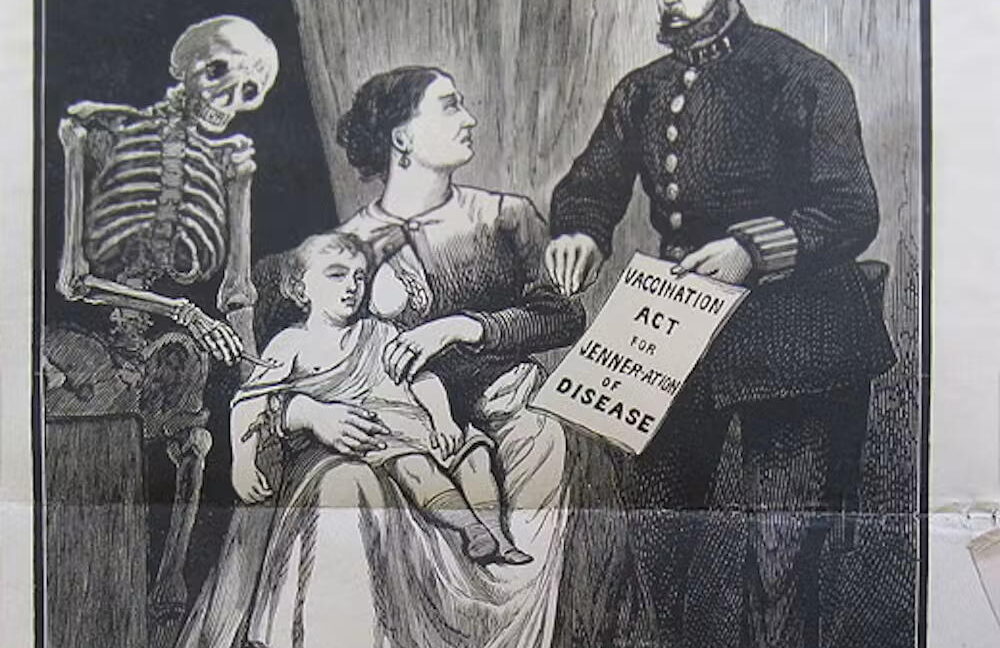
Opposition to vaccines is not a new phenomenon. In 19th-century England, riots occurred against mandatory smallpox vaccinations, with claims of violating civil rights and opposing bodily integrity.
In the United States, organizations dedicated to resisting vaccines have existed since the Anti-Compulsory Vaccination League of Brooklyn was established in 1894.
Researchers generally refer to individuals who refuse or delay some or all vaccines, diverging from standard health professional advice, as vaccine hesitant.
Today, vaccine hesitancy is most famously associated with the Make America Healthy Again movement and its standard-bearer, Health and Human Services Secretary Robert F. Kennedy Jr. Understanding these narratives may assist public health professionals in developing more effective communication strategies and fostering greater trust in vaccination.