When to Use Electric Tiller in Your Yard
Electric tillers are recommended for loosening soil for garden beds, mixing in compost, or refreshing existing planting areas, especially in smaller yards. Effectiveness hinges on soil moisture and clarity from debris.
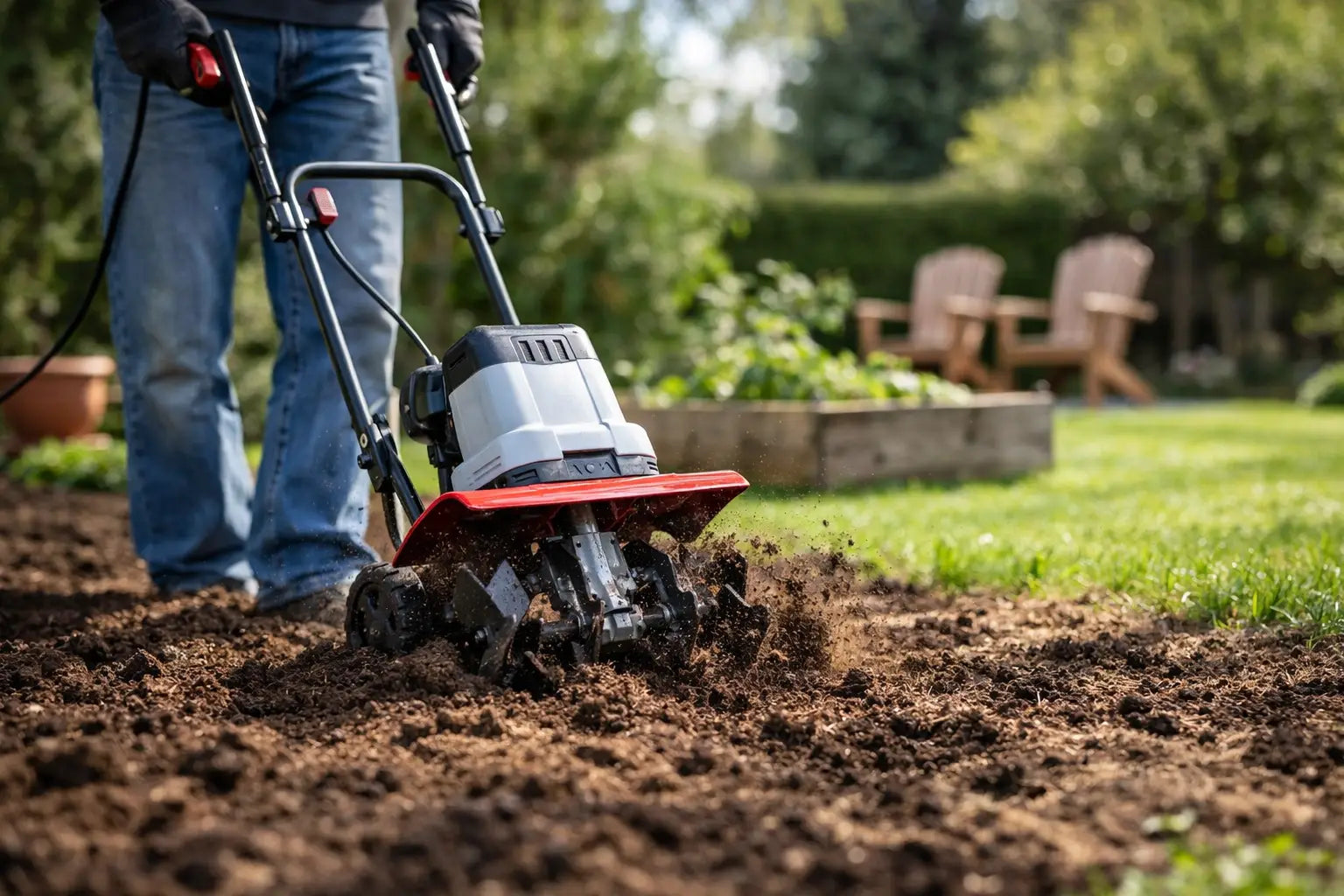
Electric tillers are best utilized for loosening workable soil for garden beds, incorporating compost, or revitalizing established planting areas. They are particularly suited for light to medium-duty soil work in smaller yards where a gasoline-powered machine might be considered excessive.
The timing of use is critical and directly related to soil conditions. Overly wet soil will clump and compact when tilled, leading to poorer soil structure, while excessively dry and hard soil can cause smaller tillers to bounce or skim the surface. The most effective results are achieved when the ground is slightly moist, relatively free of thick roots and rocks, and prepared for planting or amendments.
An electric tiller is a practical choice for controlled and specific tasks such as preparing existing vegetable gardens in spring, breaking up the top layer after winter, or blending compost into the soil before planting. These machines offer a quieter operation and require less maintenance than their gasoline-powered counterparts.
For many homeowners, an electric tiller is an ideal tool for small to medium-sized garden areas, including raised beds and flower borders, as well as for patch repairs. If tilling is only needed a few times a year, electric power eliminates the need for fuel mixing and reduces engine maintenance demands.