Why Smart People Make Bad Decisions
High intelligence can paradoxically lead to poor decision-making, often stemming from overconfidence and a tendency to rationalize rather than objectively assess information.
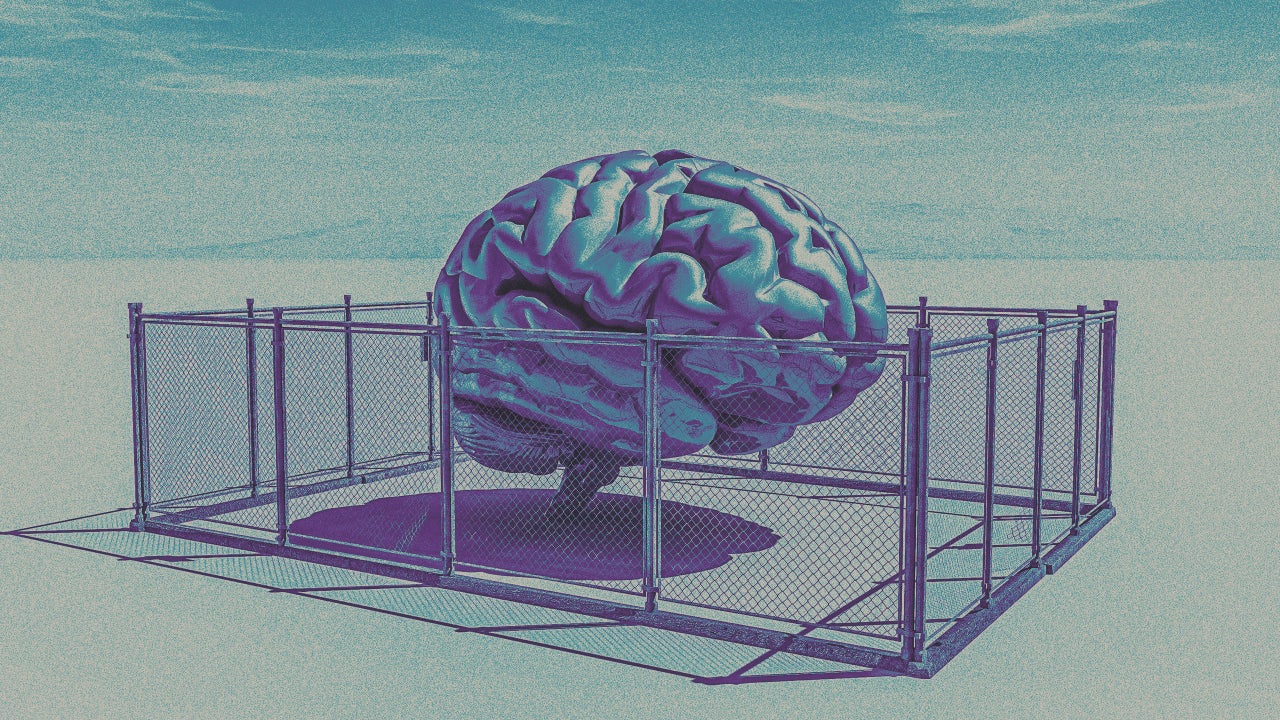
Experts in decision-making and behavioral psychology highlight that while intelligence is a valuable tool, it can also become a significant liability, leading proficient individuals to make detrimental choices.
A key factor identified is 'motivated reasoning,' where individuals, particularly those with strong identities or egos, actively seek information confirming their existing beliefs and dismiss contradictory evidence. This psychological bias means that instead of seeking objective truth, people tend to construct arguments that support their pre-existing conclusions. Physicist Richard Feynman famously warned, "The first principle is that you must not fool yourself—and you are the easiest person to fool."
Educational and professional systems often reward argumentation and debate skills. This environment can inadvertently train intelligent individuals to become experts at justifying their positions, rather than developing a critical faculty for self-doubt. The result is a tendency to build strong defenses for irrational choices, with confidence in one's reasoning potentially masking fundamental flaws. This is compounded by the 'illusion of validity,' a term coined by Daniel Kahneman, where confidence in one's expertise in one area can incorrectly bleed into other domains, leading to overestimations of knowledge and judgment.
To mitigate these risks, experts recommend adopting a strategy of deliberate doubt and focusing on potential failure points before making high-stakes decisions. A 'premortem' exercise, where one imagines a decision has failed and analyzes why, can foster crucial humility. This process encourages individuals to actively seek disconfirming evidence for their own ideas, a habit that can prevent costly mistakes.
The core message is that true progress and sound decision-making often come from a disciplined habit of questioning one's own conclusions. By valuing objective truth more than ego satisfaction and consistently asking, "Have I looked hard enough for the reason I might be wrong?", individuals can better protect themselves from the potentially devastating consequences of flawed reasoning, regardless of their intellect.